Saadani National Park stands as Tanzania’s most unique safari destination, representing the only wildlife sanctuary in East Africa where the Indian Ocean coastline meets traditional savanna habitat in spectacular fashion. This extraordinary park combines classic African safari experiences with pristine beach environments, creating opportunities for visitors to witness elephants walking along white sand beaches, lions prowling coastal forests, and dolphins swimming in the same waters that border wildlife-rich ecosystems.
Located approximately 130 kilometers north of Dar es Salaam along Tanzania’s central coast, Saadani National Park encompasses over 1,100 square kilometers of diverse ecosystems including coastal forests, mangrove swamps, acacia woodlands, and open grasslands that support remarkable wildlife populations. The park’s position at the convergence of terrestrial and marine environments creates unique biodiversity that distinguishes Saadani from all other Tanzanian national parks.
Table of Contents
The Wami River flowing through Saadani National Park creates a lifeline supporting diverse wildlife communities while providing exceptional boat safari opportunities that complement traditional game drives. This combination of land and water-based safari activities, set against stunning coastal backdrops, makes Saadani National Park an increasingly popular destination for travelers seeking alternatives to conventional inland safari experiences.
Safari Stride’s expertise in Saadani National Park ensures clients experience this unique destination optimally, understanding seasonal variations, wildlife patterns, and activity options that maximize the park’s distinctive attractions. Our comprehensive knowledge helps travelers appreciate Saadani’s special character while setting appropriate expectations for wildlife viewing that differs from high-density parks like Serengeti or Ngorongoro.
Geography and Ecosystems of Saadani National Park
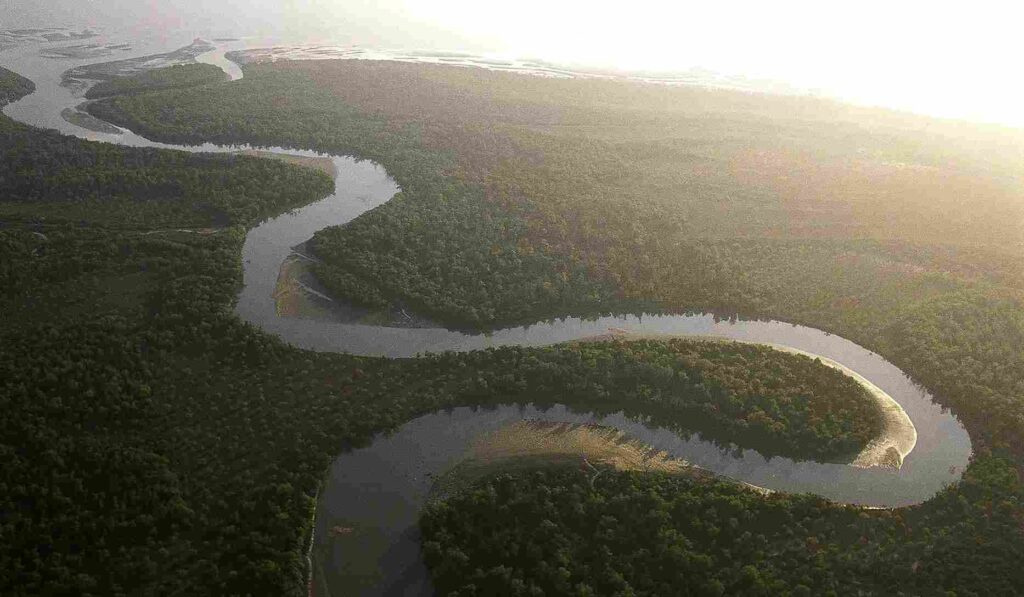
Saadani National Park’s geographical diversity creates the foundation for its unique character, with multiple distinct ecosystems converging within relatively compact boundaries to support exceptional biodiversity. Understanding these varied habitats helps visitors appreciate the park’s ecological significance and wildlife distribution patterns.
The Indian Ocean coastline extending approximately 30 kilometers along Saadani National Park’s eastern boundary creates spectacular beach environments where wildlife encounters occur against backdrops of pristine white sand and turquoise waters. These coastal zones support specialized plant communities adapted to salt spray and sandy soils while providing crucial nesting sites for marine turtles.
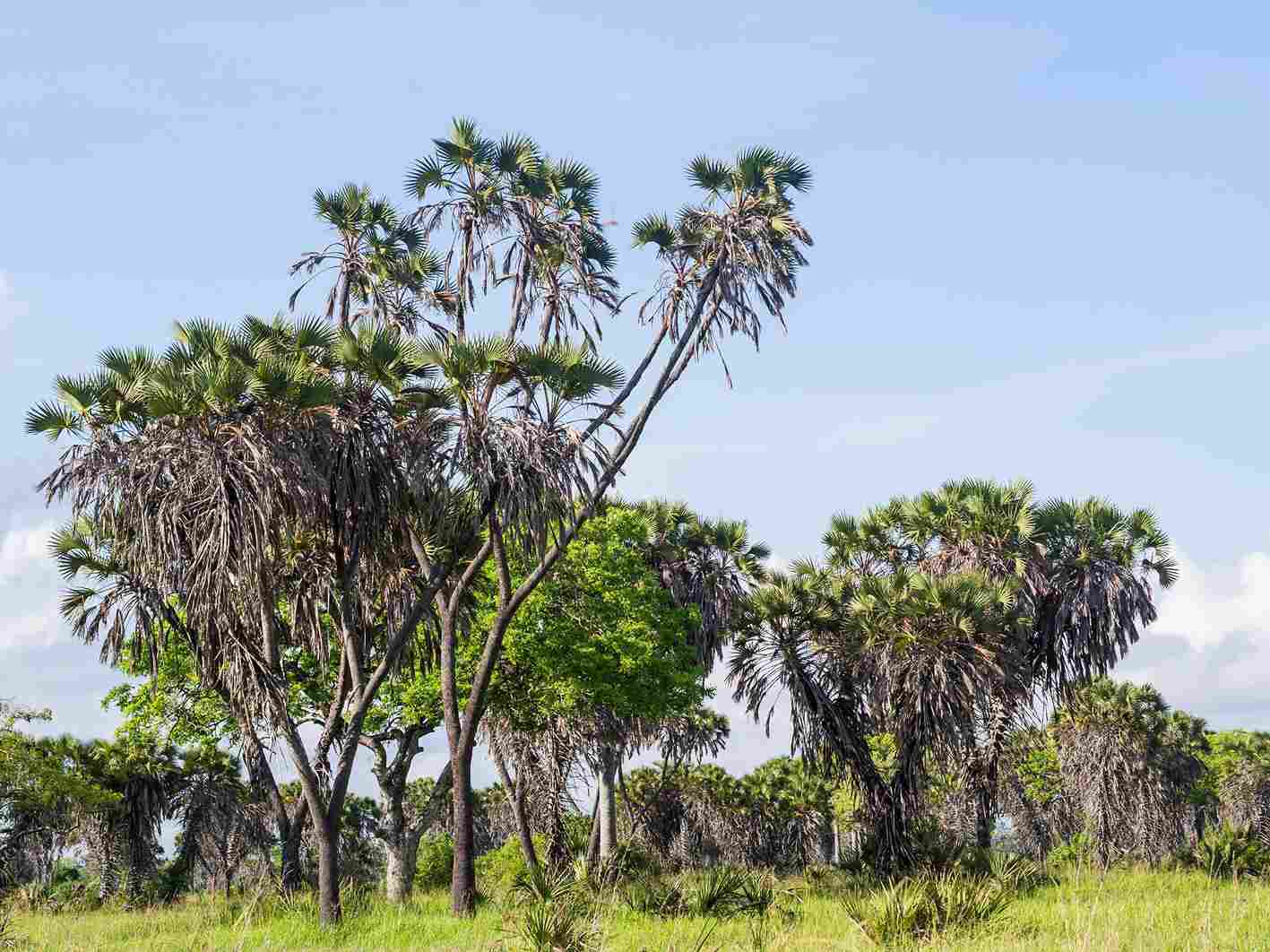
Coastal forests within Saadani National Park contain remnants of the extensive forest systems that once dominated Tanzania’s coastline, supporting unique plant species and wildlife communities found nowhere else in the country. These forests provide crucial habitat for primates, forest birds, and smaller mammals while creating stunning landscapes of towering trees and dense undergrowth.
The Wami River system meandering through Saadani National Park creates riverine forests, wetlands, and floodplains that attract concentrated wildlife populations particularly during dry seasons when water becomes scarce in other park areas. The river’s permanent water supports hippo populations, crocodiles, and diverse water birds while providing essential drinking water for terrestrial wildlife.
Mangrove ecosystems along the Wami River estuary and coastal areas represent crucial transitional habitats between terrestrial and marine environments, supporting specialized wildlife communities and serving as nurseries for numerous fish species. These mangrove forests demonstrate Saadani National Park’s remarkable ecological diversity within compact boundaries.
Open grasslands and acacia woodlands in Saadani’s interior regions create classic savanna habitats supporting herbivore populations including buffalo, wildebeest, hartebeest, and various antelope species. These grasslands resemble more famous Tanzanian safari parks while being uniquely positioned just kilometers from Indian Ocean beaches.
Seasonal wetlands and temporary water sources throughout Saadani National Park create dynamic landscapes that transform dramatically between wet and dry seasons, affecting wildlife distributions and creating varied safari experiences depending on visit timing.
Wildlife Diversity in Saadani National Park
Saadani National Park supports impressive wildlife diversity considering its relatively small size and coastal location, with approximately 30 larger mammal species and over 370 bird species creating excellent viewing opportunities in unique settings unavailable anywhere else in Tanzania.
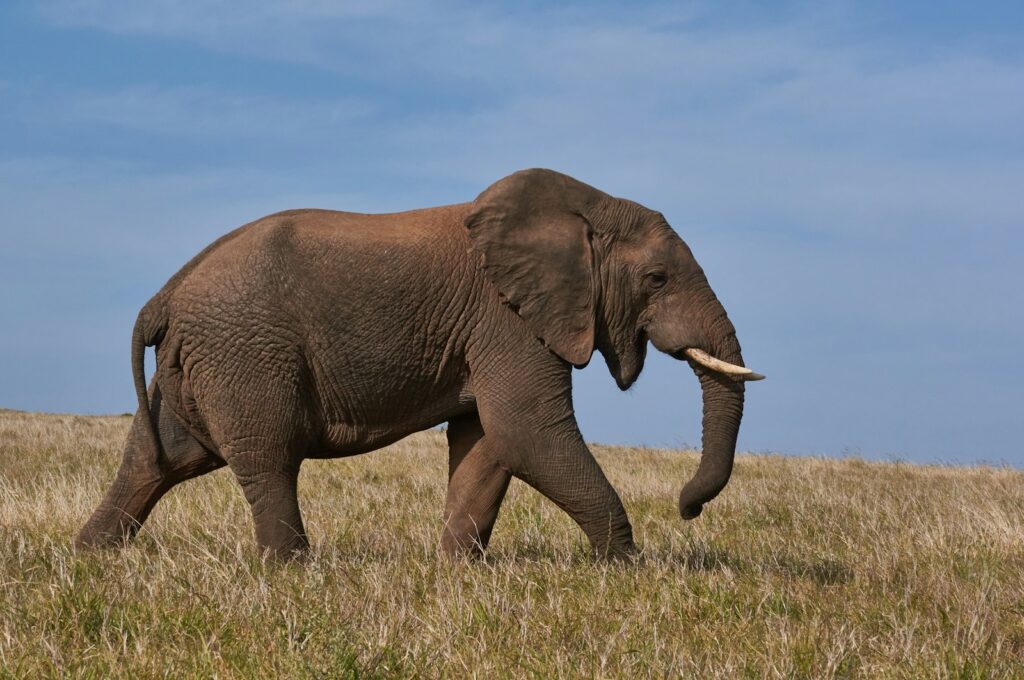
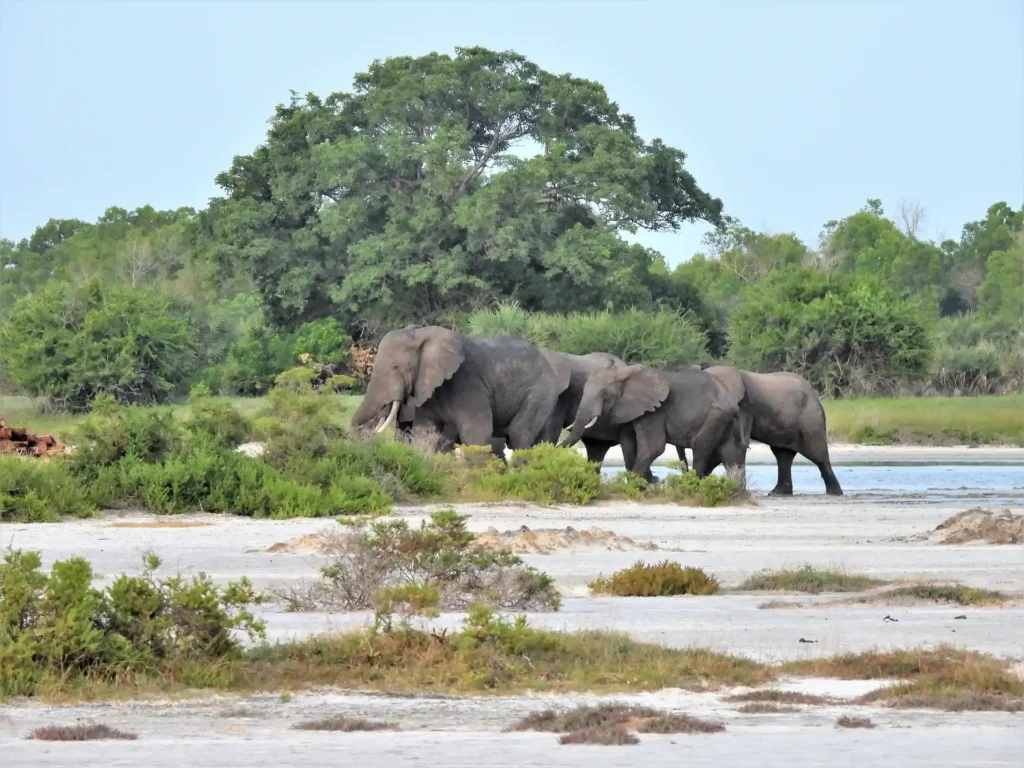
Elephant populations in Saadani National Park create the park’s most iconic attraction, with these magnificent creatures regularly traversing between interior woodlands and coastal areas where they sometimes walk along beaches or through coconut plantations. The sight of elephants against ocean backdrops represents Saadani’s signature wildlife experience.
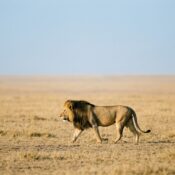
Lion populations in Saadani remain relatively small but present, with these apex predators adapting to coastal forest and savanna mosaics that create different hunting strategies compared to open plains environments. Sightings occur less frequently than in major savanna parks but create memorable experiences when they happen.
Buffalo herds numbering hundreds of individuals roam Saadani National Park’s grasslands and woodlands, creating impressive viewing spectacles particularly during dry seasons when herds concentrate around permanent water sources. These massive congregations attract predator attention and create dynamic wildlife interactions.
Giraffe populations in Saadani include both Maasai and reticulated subspecies, with these distinctive animals creating photogenic subjects against coastal forest backdrops. Their presence in coastal habitats represents unusual adaptations to diverse vegetation types.
Hippo populations thrive in the Wami River system, with boat safaris providing excellent opportunities for observing these massive mammals in their aquatic habitats. The combination of riverine hippos and ocean views creates unique juxtapositions highlighting Saadani’s special character.
Crocodile populations in the Wami River include both Nile crocodiles and smaller species, with these prehistoric reptiles easily observed during boat safaris along the river. Their presence adds excitement to water-based activities while demonstrating healthy ecosystem function.
Antelope diversity in Saadani includes waterbuck, bushbuck, reedbuck, sable antelope, and various smaller species that occupy different habitat niches throughout the park. This diversity reflects Saadani’s varied ecosystems and provides consistent wildlife viewing opportunities.
Primate populations including yellow baboons, vervet monkeys, and red colobus monkeys inhabit Saadani’s forests and woodlands, creating entertaining viewing opportunities particularly around lodges where habituated groups tolerate close observation.
Bird Watching Paradise at Saadani
Saadani National Park ranks among Tanzania’s premier bird watching destinations, with over 370 recorded species representing terrestrial, aquatic, and marine birds that create exceptional diversity within compact areas. The park’s position at the convergence of multiple ecosystems supports species rarely seen together elsewhere in Tanzania.
Coastal and marine birds including various tern species, gulls, plovers, and sandpipers frequent Saadani’s beaches and coastal zones, providing excellent opportunities for observing seabirds typically absent from inland safari destinations. These species create unique bird watching experiences combining beach walks with wildlife observation.
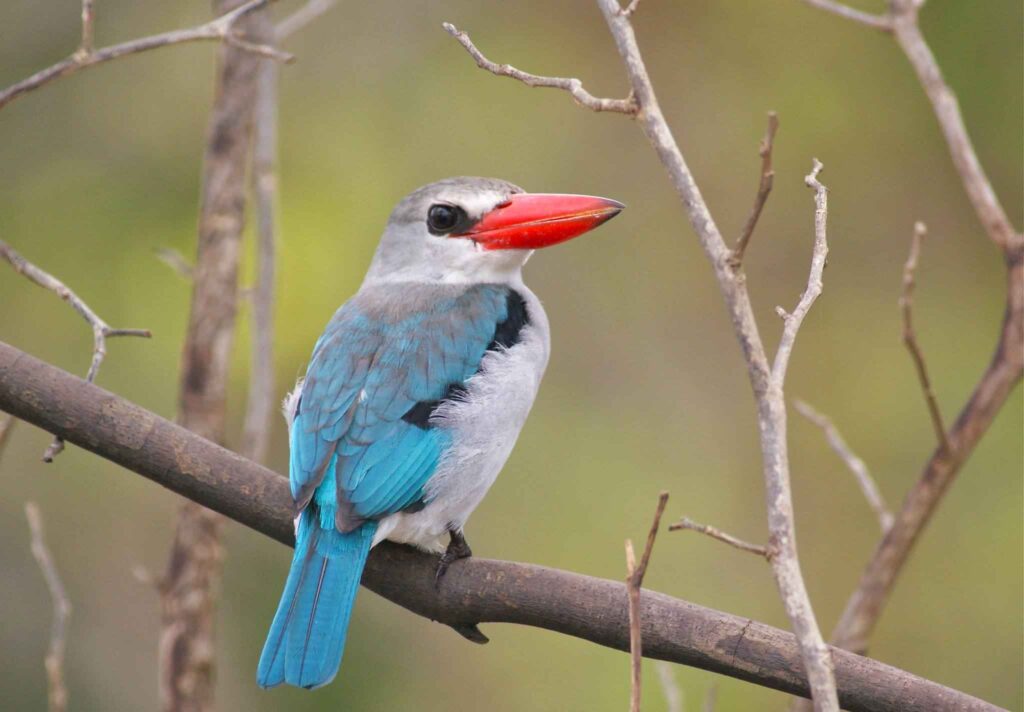
Mangrove specialists including mangrove kingfishers, crab plovers, and various heron species inhabit the specialized mangrove ecosystems along the Wami River estuary, representing birds specifically adapted to these transitional environments. Boat safaris provide optimal viewing opportunities for these specialized species.
River and wetland birds congregate along the Wami River system, with species including African fish eagles, various kingfisher species, herons, storks, and numerous waterfowl creating spectacular viewing opportunities during boat safaris. The combination of aquatic birds and riverine scenery creates beautiful photographic subjects.
Forest birds inhabiting Saadani’s coastal forests include numerous endemic and near-endemic species with restricted ranges, making the park essential for serious bird watchers seeking regional specialties. These forest inhabitants require patient observation but reward dedicated birders with exceptional sightings.
Raptors including fish eagles, various hawk species, and occasional rare eagles utilize Saadani’s diverse habitats for hunting and nesting, creating opportunities for observing these impressive predators in coastal contexts rarely available elsewhere in East Africa.
Migratory species visiting Saadani National Park during northern hemisphere winter significantly increase bird diversity, with European and Asian migrants joining resident populations to create exceptional bird watching from November through March. This seasonal influx makes wet season visits particularly rewarding for ornithologists.
Endemic and near-endemic species found in Saadani include several birds with very restricted ranges, making the park crucial for completing comprehensive Tanzania bird lists. Serious bird watchers prioritize Saadani specifically for these specialized species unavailable elsewhere.

Best Time to Visit Saadani National Park
Determining optimal timing for Saadani National Park visits requires balancing multiple factors including wildlife viewing patterns, weather conditions, marine turtle nesting seasons, and ocean conditions that affect beach activities and boat safaris.
The dry season from June to October traditionally represents peak time for Saadani National Park visits, offering optimal wildlife viewing as animals concentrate around permanent water sources while reduced vegetation improves visibility for game drives. Clear skies and moderate temperatures create comfortable conditions for both safari activities and beach relaxation.
Wet season visits from November to May offer different but equally compelling experiences in Saadani National Park, with lush green landscapes, active bird populations including numerous migrants, and dramatic atmospheric conditions creating beautiful photography opportunities. Reduced visitor numbers during wet months provide more exclusive experiences despite occasional rain showers.
Marine turtle nesting season from May to August represents a unique attraction at Saadani National Park, with green turtles coming ashore on park beaches to lay eggs while hatchlings emerge during subsequent months. This natural phenomenon creates special wildlife viewing opportunities unavailable at inland parks.
Ocean conditions for swimming and water activities remain generally favorable year-round at Saadani National Park, though calmer seas during dry season months provide optimal conditions for beach activities and boat operations. The warm Indian Ocean maintains comfortable water temperatures throughout the year.
Fishing seasons affect certain marine activities and food availability in the park, with seasonal fish migrations creating variable conditions for sport fishing and traditional fishing activities that can be observed as cultural experiences near the park.
Holiday periods including European summer holidays and Christmas/New Year see increased visitor numbers at Saadani National Park, requiring advance booking for preferred accommodations. However, the park never becomes as crowded as northern circuit destinations even during peak periods.
Activities and Experiences at Saadani
Saadani National Park offers diverse activity options that capitalize on its unique coastal-safari character, providing visitors with varied experiences unavailable at purely terrestrial or marine destinations. Understanding available activities helps travelers maximize their Saadani experiences.
Game drives through Saadani National Park explore diverse habitats from coastal forests to open grasslands, seeking elephants, lions, buffalo, giraffe, and numerous other species while enjoying ocean views and varied scenery. Morning and afternoon game drives provide optimal wildlife viewing opportunities when animals are most active.
Boat safaris along the Wami River create highlight experiences at Saadani National Park, combining wildlife viewing with beautiful river scenery while observing hippos, crocodiles, water birds, and elephants coming to drink. These boat excursions provide different perspectives on wildlife and landscapes compared to traditional game drives.
Beach walks along Saadani’s pristine coastline allow relaxed wildlife viewing while enjoying ocean breezes and beautiful coastal scenery. The possibility of encountering elephants, various antelope species, or other wildlife on beaches creates unique safari-beach combination experiences.
Walking safaris through Saadani National Park provide intimate bush experiences allowing detailed observation of smaller wildlife, plants, and ecosystem functions often missed during vehicle-based game drives. Guided walks led by armed rangers ensure safety while providing educational insights into African wilderness.
Turtle watching during nesting season represents special experiences unique to Saadani National Park, with guided nighttime beach walks allowing observation of green turtles coming ashore to lay eggs. This activity requires proper timing and creates memorable wildlife encounters.
Fishing activities including fly fishing and traditional fishing methods can be arranged through park authorities and local communities, providing sporting opportunities and cultural insights into traditional livelihoods around the park. Sport fishing in the Indian Ocean creates exciting angling experiences.
Cultural visits to nearby villages including Saadani Village provide insights into coastal Swahili culture, traditional fishing practices, and community conservation relationships with the national park. These cultural experiences complement wildlife viewing while supporting local communities.
Bird watching expeditions throughout Saadani’s diverse habitats create specialized experiences for ornithologists seeking the park’s impressive bird diversity. Guided birding walks optimize sighting opportunities for specialized and endemic species.

Accommodation Options in Saadani National Park
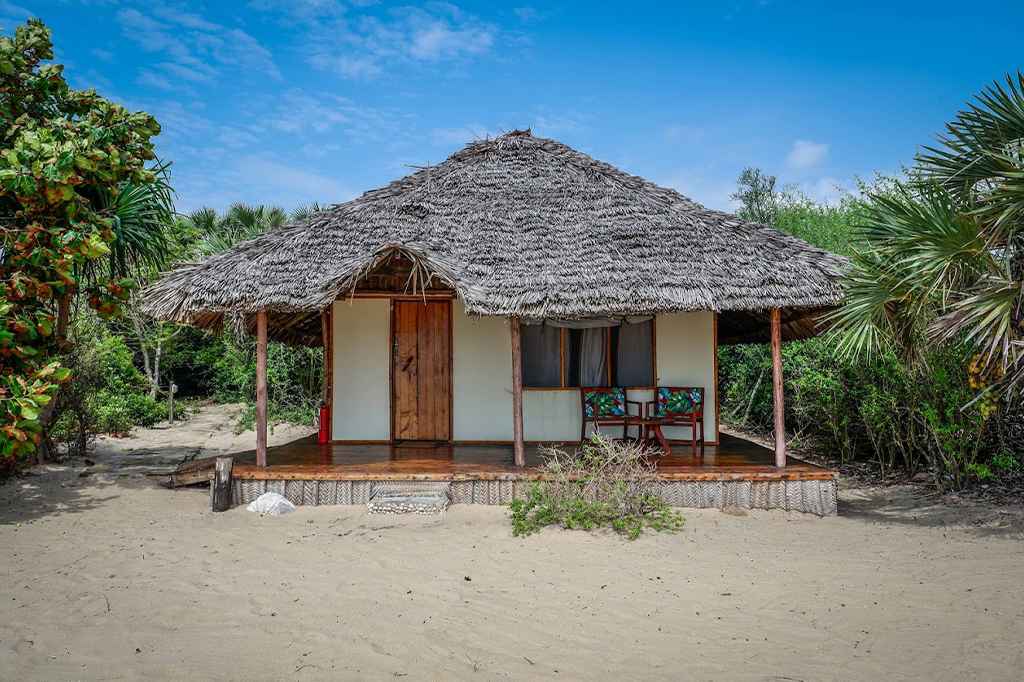
Accommodation options at Saadani National Park range from basic camping to luxury beach lodges, with most properties emphasizing the unique beach-safari combination that defines the destination’s special character. Understanding available options helps travelers choose accommodations matching their preferences and budgets.
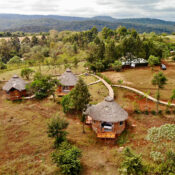
Luxury beach lodges including Saadani Safari Lodge and similar properties provide high-end accommodations combining safari conveniences with beach resort amenities, offering private beach access, quality dining, and full-service experiences. These properties typically charge $300-$800 per person per night with various inclusions.
Mid-range tented camps including permanent and semi-permanent options provide comfortable safari accommodations emphasizing authentic bush experiences while maintaining reasonable pricing of $150-$350 per person per night. These camps balance comfort with environmental integration and safari atmosphere.
Budget camping options through public campsites within Saadani National Park allow budget-conscious travelers to experience the destination at minimal cost, typically $30-$50 per person including camping fees. Campers must be self-sufficient with equipment and supplies.
Accommodation locations within the park vary significantly in terms of beach access, wildlife viewing opportunities, and overall ambiance. Properties directly on the beach provide maximum marine integration while interior locations emphasize traditional safari atmospheres.
Booking considerations for Saadani require advance planning during peak dry season months, though availability generally exceeds that of more famous northern circuit parks. Last-minute bookings remain possible during shoulder seasons with good accommodation selection.
All-inclusive versus room-only options affect total costs and convenience, with all-inclusive packages including meals, drinks, and activities simplifying budgeting while room-only rates allow flexibility for guests preferring independent activity scheduling and meal arrangements.
Getting to Saadani National Park
Accessing Saadani National Park requires understanding available transportation options, travel times, and logistical considerations that differ from more developed northern circuit destinations. Proper planning ensures smooth arrivals and departures while managing expectations for travel conditions.
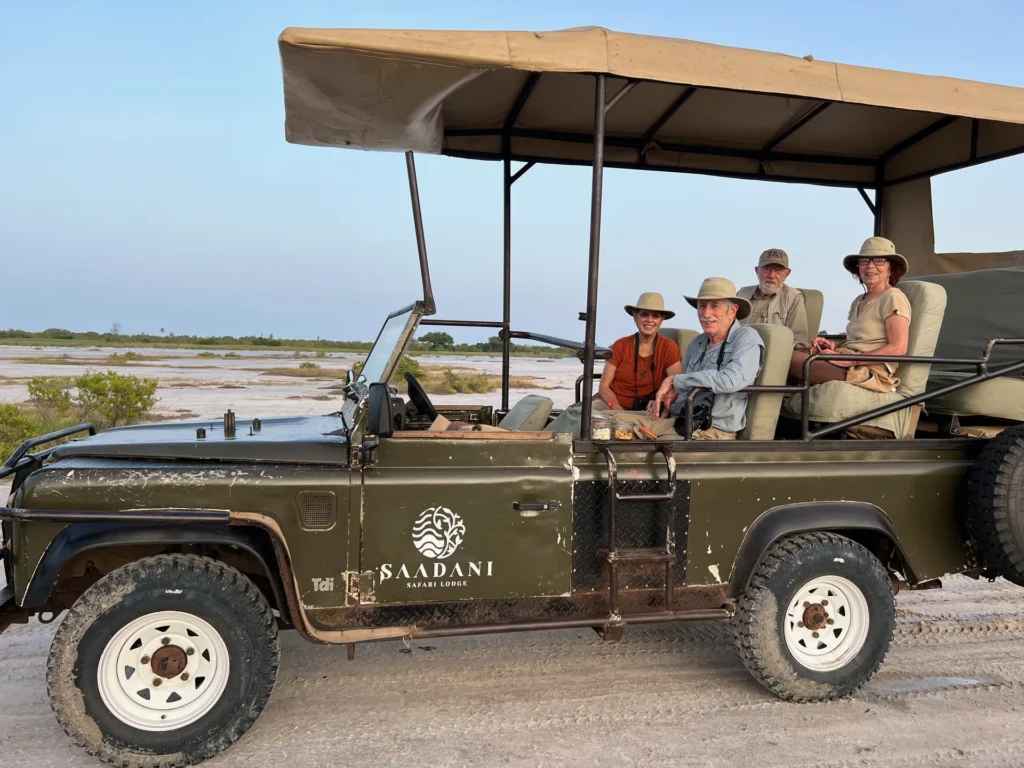
Road access from Dar es Salaam represents the most common approach to Saadani National Park, with the journey taking approximately 4-5 hours via improved roads through coastal regions. The drive provides opportunities to observe rural coastal Tanzania while accessing the park from the country’s largest city.
Road conditions to Saadani have improved significantly in recent years, with most of the route now paved though some sections remain rough requiring appropriate vehicles. Four-wheel drive vehicles are recommended particularly during wet seasons when some tracks may become challenging.
Flying to Saadani National Park via charter flights provides convenient access for travelers with limited time or those combining Saadani with other destinations. The park maintains an airstrip accommodating small aircraft, with flights from Dar es Salaam, Zanzibar, or northern circuit destinations arranged through specialized operators.
Combined access approaches may involve flying one direction and driving the other, optimizing time management while experiencing different perspectives on Tanzania’s coastal regions. This flexibility appeals to travelers balancing time constraints with comprehensive travel experiences.
Public transportation options to Saadani area exist through local buses and dalla-dallas (minibuses) connecting Dar es Salaam with nearby towns, though reaching the park itself from these towns requires arranging private transfers or taxis. This option suits very budget-conscious independent travelers.
Park entrance procedures require paying conservation fees at designated gates, with fee structures for international visitors typically $30-$40 per adult per day. Vehicle fees, guide fees, and other charges apply according to Tanzania National Parks Authority standard rate structures.
Internal park roads remain relatively basic though adequate for wildlife viewing, with the park’s compact size allowing comprehensive exploration during short visits. Most roads remain passable year-round with appropriate vehicles though wet season conditions may close some routes temporarily.
Wildlife Viewing Strategies for Saadani
Optimizing wildlife viewing at Saadani National Park requires understanding the park’s unique characteristics, seasonal wildlife patterns, and habitat distribution affecting where and when different species appear. Strategic approaches significantly enhance viewing success and overall satisfaction.
Habitat targeting based on species interests improves viewing success, with grasslands productive for buffalo and antelope, coastal zones for elephants and beach wildlife, river areas for hippos and crocodiles, and forests for primates and forest specialists. Understanding these habitat associations guides efficient game drive routing.
Timing considerations emphasize early morning and late afternoon game drives when animals are most active and lighting conditions optimize photography. Midday periods work well for boat safaris on the Wami River or beach relaxation between safari activities.
Seasonal wildlife movements affect distribution patterns, with dry season concentrations around permanent water sources creating predictable viewing while wet season dispersion requires more extensive searching. Understanding these patterns helps set appropriate expectations for different visit seasons.
Local guide knowledge proves invaluable at Saadani National Park, with experienced guides understanding wildlife movement patterns, productive viewing areas, and animal behavior that significantly improves sighting success. Investing in quality guiding pays dividends in wildlife experiences.
Patience and flexibility remain essential virtues for Saadani wildlife viewing, as the park’s wildlife densities remain lower than famous northern circuit destinations. However, the unique coastal setting and exclusive experiences often compensate for potentially fewer total sightings.
Multiple activity combinations optimize overall wildlife experiences, with game drives, boat safaris, and walking activities providing different perspectives and species encounters that collectively create comprehensive Saadani experiences superior to single activity approaches.
Photography strategies should capitalize on Saadani’s unique settings, emphasizing beach-wildlife combinations, atmospheric coastal lighting, and unusual juxtapositions unavailable elsewhere. The park’s photographic potential lies in creative compositions rather than dense wildlife concentrations.

Conservation and Community Engagement
Saadani National Park represents important conservation successes while facing ongoing challenges balancing wildlife protection with community needs and tourism development. Understanding these conservation contexts enriches visitor experiences while supporting crucial protection efforts.
Park history includes transformation from hunting reserves and village lands into protected national park status in 2005, creating Tanzania’s newest major park. This recent designation means conservation efforts remain works in progress with evolving relationships between park authorities and surrounding communities.
Community conservation programs around Saadani National Park work to integrate local residents into wildlife protection while providing tangible benefits through employment, revenue sharing, and development projects. These initiatives demonstrate progressive approaches to conservation that benefit both wildlife and human communities.
Human-wildlife conflict management represents ongoing challenges as elephants and other wildlife move between park boundaries and community lands, sometimes damaging crops or threatening human safety. Conflict mitigation programs work to minimize negative interactions while maintaining local support for conservation.
Marine conservation efforts at Saadani extend protection beyond terrestrial habitats to include coastal and marine ecosystems supporting sea turtles, dolphins, and diverse marine life. This holistic approach recognizes the interconnection between terrestrial and marine environments.
Research programs operating in Saadani National Park study various aspects of coastal ecosystem function, wildlife behavior, and conservation effectiveness. According to the Tanzania National Parks Authority, ongoing research contributes to improved management strategies and broader scientific understanding.
Tourism’s role in conservation provides crucial revenue supporting park operations and community development while creating economic incentives for wildlife protection. Visitor fees and tourism employment opportunities demonstrate conservation’s practical benefits to local stakeholders.
Anti-poaching efforts in Saadani work to protect wildlife from illegal hunting while addressing underlying causes of poaching through community engagement and alternative livelihood development. These comprehensive approaches prove more effective than enforcement alone.
Combining Saadani with Other Destinations
Saadani National Park’s location and unique character make it an excellent addition to broader Tanzania itineraries, combining naturally with various destinations to create comprehensive safari experiences showcasing the country’s diversity.
Northern circuit combinations pair Saadani with famous parks including Serengeti, Ngorongoro, and Tarangire, creating itineraries showcasing both classic safari experiences and unique coastal wildlife viewing. These combinations appeal to travelers seeking comprehensive Tanzania experiences.
Zanzibar extensions work naturally with Saadani visits, with both destinations offering Indian Ocean beach experiences while Saadani adds authentic wildlife encounters unavailable on Zanzibar. Combined beach-safari itineraries create balanced adventures mixing wildlife action with tropical relaxation.
Southern circuit combinations including Ruaha or Nyerere national parks create comprehensive Tanzania experiences showcasing both coastal and interior wilderness areas. These extended itineraries suit serious safari enthusiasts seeking thorough wildlife experiences across diverse ecosystems.
Dar es Salaam city experiences before or after Saadani visits provide insights into Tanzania’s largest city including markets, historical sites, and vibrant urban culture. Short city stops add urban dimension to predominantly wildlife-focused itineraries.
Cultural tourism routes in coastal regions surrounding Saadani provide opportunities to explore Swahili culture, historical sites, and traditional communities. These cultural additions create more rounded Tanzanian experiences beyond purely wildlife-focused activities.
Beach resorts along Tanzania’s coast near Saadani offer alternatives or complements to park accommodations, with various properties providing different beach experiences and price points. Flexible itineraries can incorporate multiple coastal destinations

Practical Tips for Saadani Visitors
Successful Saadani National Park visits benefit from practical preparation addressing the destination’s unique characteristics, remoteness, and combination of safari and beach activities requiring different equipment and expectations than purely terrestrial parks.
Packing considerations should address both safari and beach needs, including neutral-colored safari clothing, sun protection, insect repellent, camera equipment, binoculars for wildlife viewing, and beach clothing, swimwear, and water shoes for ocean activities. This dual-purpose packing requires careful planning.
Malaria prevention remains essential for Saadani visits, as the coastal location presents significant malaria transmission risks year-round. Antimalarial medication combined with mosquito bite prevention through repellent, protective clothing, and proper accommodation screening provides comprehensive protection.
Sun protection assumes critical importance in Saadani’s coastal environment, with intense equatorial sun reflecting off sand and water creating high exposure risks. High-SPF sunscreen, wide-brimmed hats, quality sunglasses, and UV-protective clothing prevent sunburn and long-term sun damage.
Hydration needs increase in Saadani’s warm coastal climate, requiring consistent water consumption during all activities. Bottled water should be carried during game drives and walks while lodges typically provide adequate drinking water supplies.
Photography equipment protection from sand, salt spray, and humidity requires proper precautions including protective bags, regular cleaning, and moisture-absorbing materials. The coastal environment presents unique challenges for camera equipment requiring proactive protection measures.
Flexibility in expectations helps ensure satisfaction, as Saadani’s wildlife viewing differs from high-density parks while offering unique experiences unavailable elsewhere. Appreciating the park’s special character rather than expecting Serengeti-level wildlife concentrations creates appropriate mindsets for maximum enjoyment.
Cash requirements remain relevant as ATM access near Saadani is limited, requiring adequate cash brought from Dar es Salaam or other cities. Most lodges accept credit cards though small transactions and tips require cash in Tanzanian shillings or US dollars.
Communication connectivity at Saadani remains limited with unreliable mobile coverage and limited internet access. Visitors should inform family and friends about potential communication gaps while ensuring lodges or tour operators have emergency contact protocols.
Conclusion: Discovering Tanzania’s Coastal Safari Gem
Saadani National Park represents one of Tanzania’s most unique and underappreciated destinations, offering extraordinary combinations of traditional safari experiences with coastal environments that create opportunities for wildlife viewing found nowhere else in East Africa. The park’s compact size and accessibility from Dar es Salaam make it ideal for shorter safaris or as additions to broader Tanzania itineraries.
The wildlife experiences at Saadani may not rival the massive herds of Serengeti or the dense concentrations of Ngorongoro Crater, but the unique settings and special moments of elephants on beaches or boat safaris along the Wami River create memories as powerful as any traditional safari destination. This uniqueness rather than wildlife density defines Saadani’s appeal.
Conservation importance extends beyond the park itself to represent crucial protection for coastal ecosystems increasingly threatened by development pressures and climate change. Visitor support through tourism revenue provides essential resources for ongoing protection efforts benefiting both wildlife and surrounding communities.
Future development at Saadani National Park promises enhanced visitor facilities and improved conservation outcomes as the relatively new park continues maturing. However, the destination’s remote character and uncrowded experiences will hopefully remain defining characteristics distinguishing it from more developed tourist destinations.
Safari Stride’s expertise in Saadani National Park ensures clients experience this unique destination with appropriate expectations, optimal timing, and comprehensive activity planning that maximizes the park’s distinctive attractions. Our guidance helps travelers appreciate Saadani’s special character while understanding how it complements broader Tanzania safari experiences.
Your Saadani adventure awaits, offering the rare opportunity to experience Africa’s wildlife in spectacular coastal settings where elephants walk beaches, lions prowl mangrove forests, and safari camps sit steps from Indian Ocean waves. Contact Safari Stride today to incorporate this remarkable destination into your comprehensive Tanzania safari, discovering the magic where the bush meets the beach in perfect harmony.