Tarangire National Park is one of Tanzania’s most beautiful and rewarding safari destinations, located in the northern part of the country near the town of Arusha. Known for its impressive elephant population, ancient baobab trees, scenic landscapes, and the seasonal Tarangire River that attracts thousands of animals, the park offers a unique wildlife experience that is different from other destinations on the Northern Safari Circuit.
For travelers planning a Tanzania safari, understanding the cost of entering Tarangire National Park is an important part of preparing a realistic budget. The entrance fee is one of the main costs included in every safari itinerary, whether you are visiting Tarangire as a day trip from Arusha or combining it with other famous destinations such as Lake Manyara, Serengeti, and Ngorongoro Crater.
Table of Contents
This guide explains the Tarangire National Park entry fees for 2027, who sets the prices, what different travelers pay, additional charges such as vehicle and concession fees, and how Safari Stride makes your safari planning simple by including all necessary park costs in your package.
Why Visit Tarangire National Park?
Tarangire may not always receive the same attention as Serengeti or Ngorongoro, but many experienced safari travelers consider it one of Tanzania’s hidden gems. The park covers approximately 2,850 square kilometers and offers some of the most diverse landscapes in northern Tanzania.
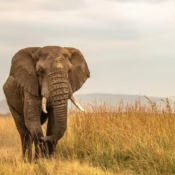
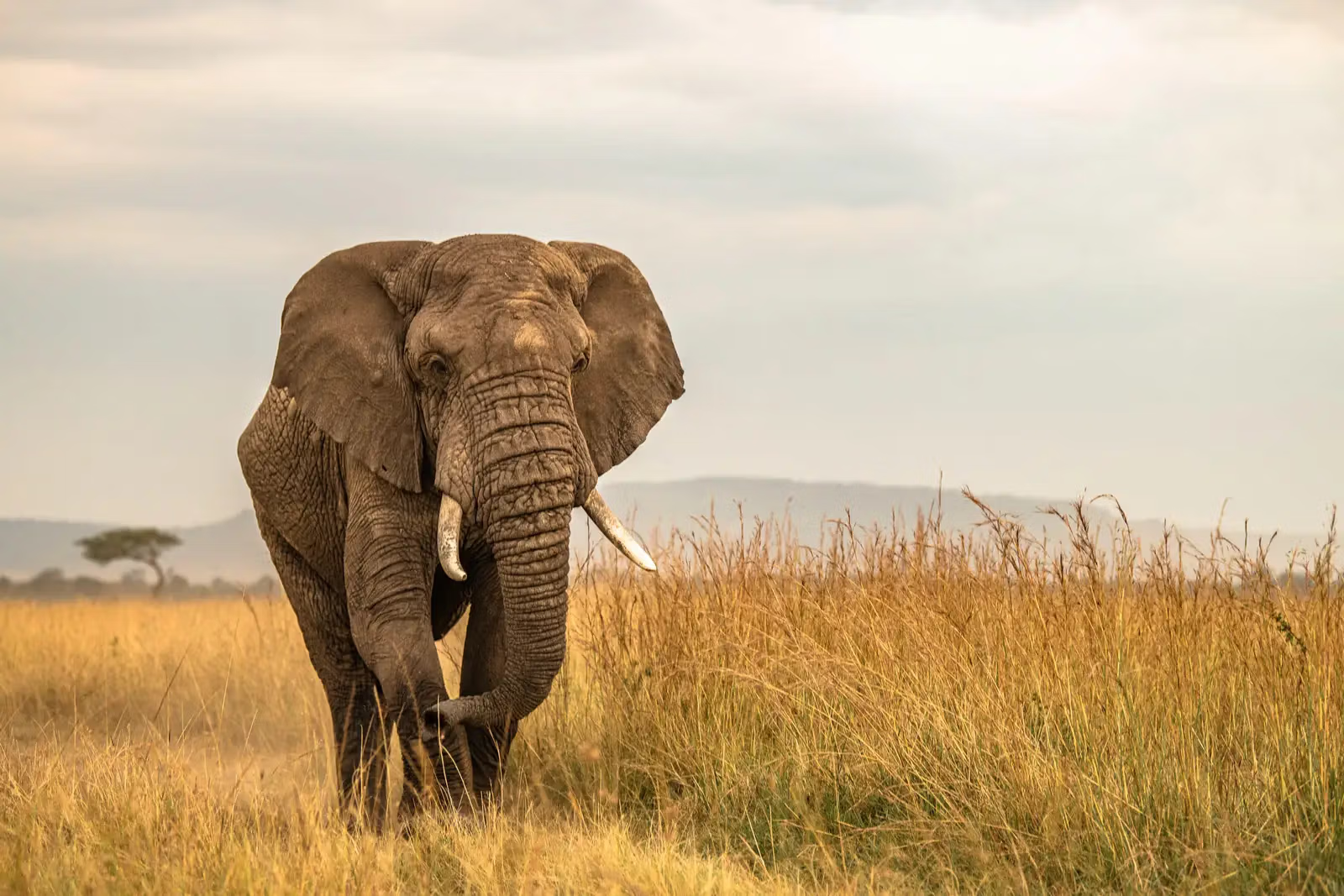
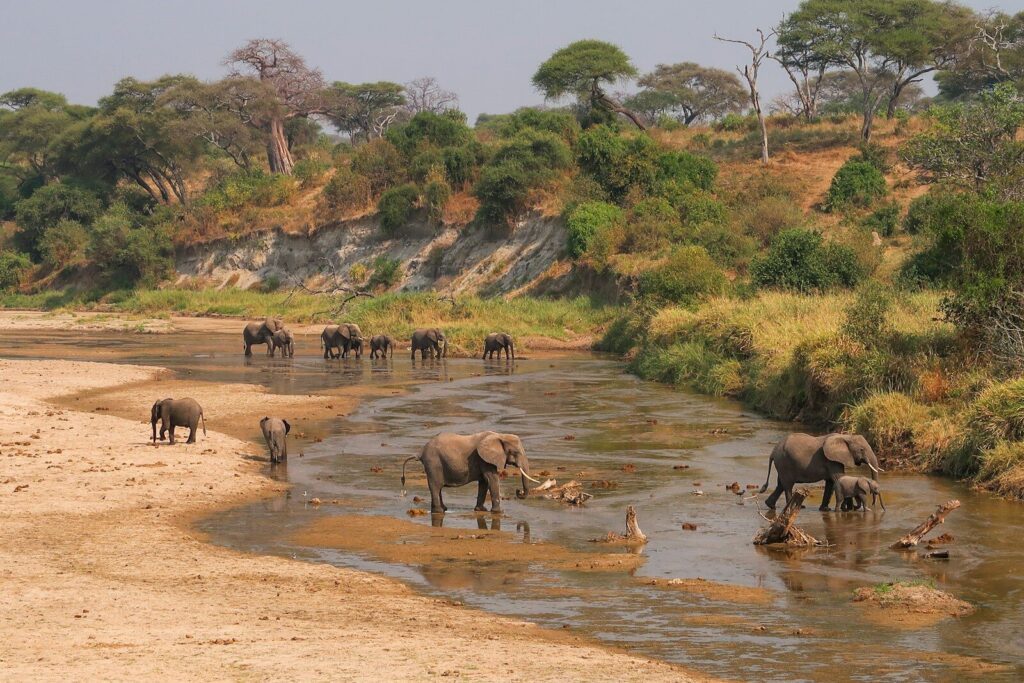
The park’s greatest attraction is its large elephant population. During the dry season, when water becomes limited in surrounding areas, thousands of elephants and other wildlife gather around the Tarangire River. Watching these magnificent animals move through the landscape surrounded by giant baobab trees is one of the most memorable experiences in Tanzania.
Unlike some busier parks, Tarangire often provides a more relaxed safari atmosphere. Visitors can enjoy longer wildlife encounters without the large crowds sometimes experienced in other popular destinations.
The park is also an excellent destination for photographers because of its dramatic scenery. The combination of golden grasslands, ancient trees, wildlife, and beautiful African sunsets creates incredible opportunities for photography throughout the year.
Things to See in Tarangire National Park
Large Elephant Herds
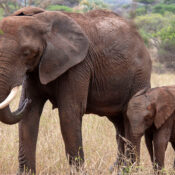
Tarangire is famous throughout Tanzania for having one of the highest concentrations of elephants in the country. These gentle giants are often seen moving in family groups across the park, feeding under acacia trees, or gathering near the river.
During the dry season between June and October, elephant sightings become especially impressive as animals from surrounding areas migrate toward permanent water sources. Seeing a large herd crossing the open plains or drinking together at the river is one of the highlights of visiting Tarangire.
Ancient Baobab Trees
The giant baobab trees are one of the first things visitors notice when entering Tarangire National Park. These unique trees, sometimes called the “trees of life,” can live for hundreds or even thousands of years.
Their enormous trunks and unusual shapes create one of the most recognizable landscapes in Tanzania. Many wildlife photographers visit Tarangire specifically to capture images of elephants and other animals walking beneath these ancient trees.
The baobabs also play an important role in the ecosystem by providing shelter and food for different species.
Lions and Other Big Cats
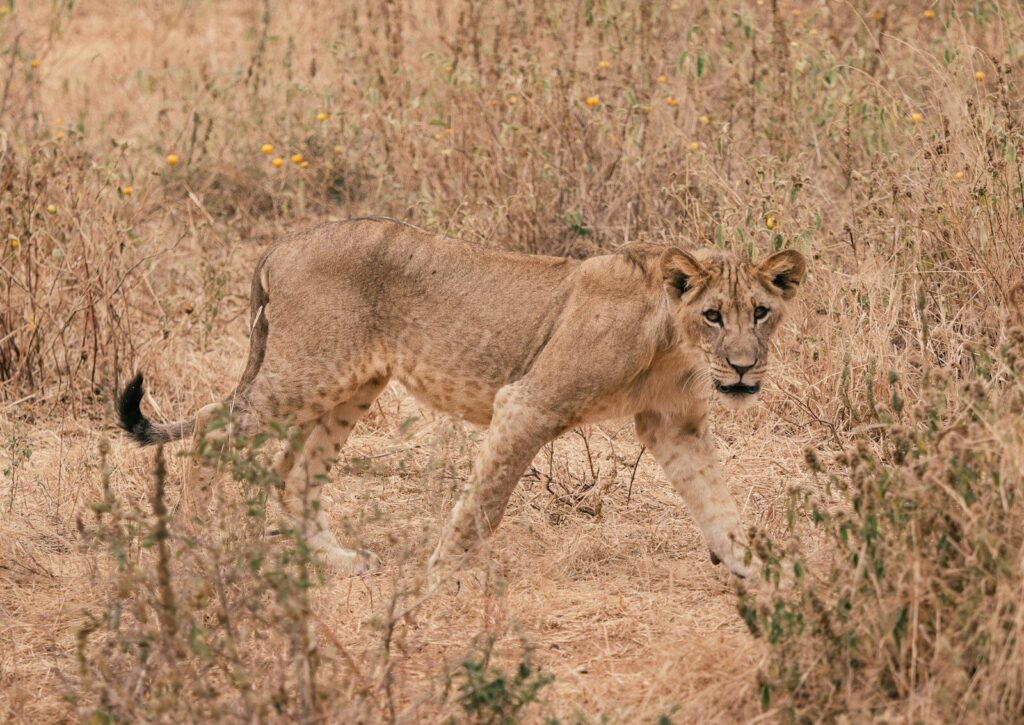
Tarangire is home to several predators, including lions, leopards, and cheetahs. Lions are among the most commonly seen big cats in the park, often resting under trees during the hotter parts of the day before becoming active in the evening.
Leopards are more secretive and require patience and good guiding skills to find. They are sometimes spotted resting in trees or moving quietly through the woodland areas.
Cheetahs can also be seen in the open grasslands where they use their incredible speed to hunt smaller prey such as gazelles.
The Tarangire River and Wildlife Concentration
The Tarangire River is the lifeline of the park. Although some smaller water sources disappear during the dry months, this river continues attracting wildlife throughout the year.
Visitors often find large numbers of animals around the river, including elephants, buffalo, zebras, wildebeest, giraffes, and many different bird species.
The best wildlife viewing often takes place early in the morning and late afternoon when animals are more active and the lighting is perfect for photography.
Silale Swamp
Silale Swamp is another important area inside Tarangire National Park. This green wetland attracts many animals, especially during the dry season when other areas become much drier.
The swamp provides food and water for elephants, buffalo, antelope, and many bird species. It is also a good area for spotting predators that follow the movement of herbivores.
The contrast between the green swamp, surrounding woodland, and open plains creates some of the most beautiful scenery in the park.
Rich Birdlife
Tarangire is a paradise for bird lovers, with more than 550 recorded bird species. The park supports both resident and migratory birds, making it one of the best birdwatching destinations in northern Tanzania.
Visitors may see colorful species such as yellow-collared lovebirds, kori bustards, hornbills, eagles, vultures, and many water birds around wetlands.
Even travelers who are not specifically interested in birds often enjoy the variety of colors and sounds they add to the safari experience.
Giraffes, Zebras, Wildebeest, and Buffalo
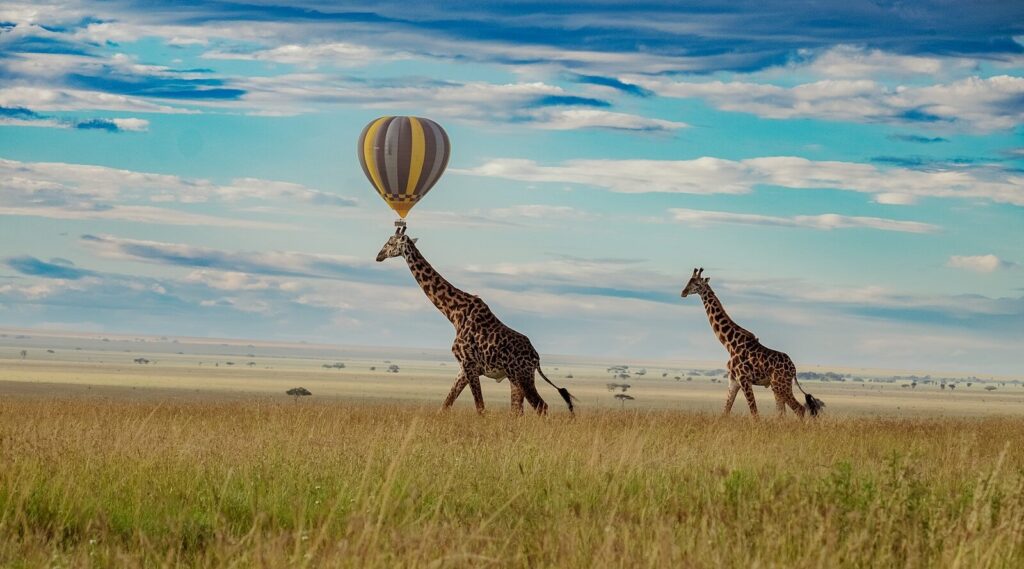
Beyond elephants and predators, Tarangire offers excellent opportunities to see a wide range of herbivores. Large groups of zebras and wildebeest move through the grasslands, while giraffes are commonly seen feeding from acacia trees.
African buffalo are also frequently encountered, often gathering in large groups near water sources.
Other animals that can be seen include impalas, gazelles, warthogs, monkeys, baboons, and many smaller species that complete the park’s diverse ecosystem.
Best Time to Visit Tarangire National Park
Tarangire can be visited throughout the year, but the best time depends on what type of experience you want.
The dry season, usually from June to October, is considered the best period for wildlife viewing. During these months, animals gather around permanent water sources, making sightings more predictable.
The months of November to May bring green landscapes, fewer visitors, and excellent birdwatching opportunities. This period is also a beautiful time for photography because the scenery becomes lush after the rains.
Each season offers something different, which means Tarangire remains a rewarding destination at any time of the year.
Who Sets Tarangire National Park Entry Fees?
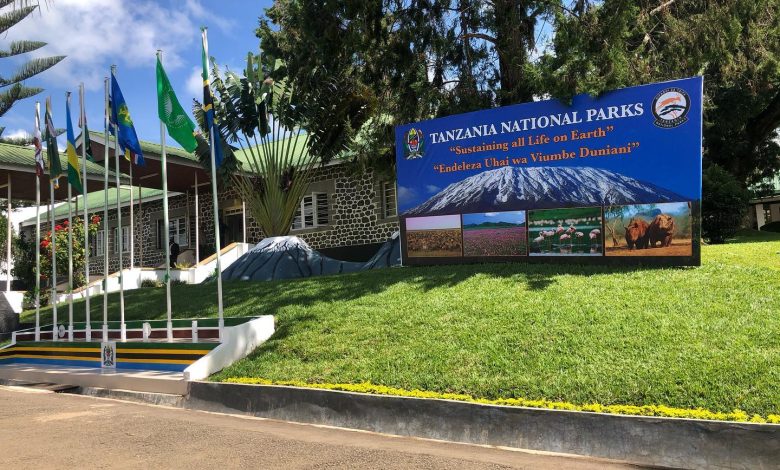
Tarangire National Park is managed by the Tanzania National Parks Authority (TANAPA), the government organization responsible for protecting and managing Tanzania’s national parks.
TANAPA sets the official entrance fees for all visitors entering Tarangire and other national parks across Tanzania. These fees help support wildlife conservation, park operations, road maintenance, ranger services, and the protection of natural habitats.
The amount visitors pay depends on several factors, including nationality, residency status, age, and the season of travel. Because government tariffs can change from time to time, travelers should always confirm the latest rates with their safari operator before departure.
When booking with Safari Stride, we monitor official updates and include the applicable park fees in your safari quotation, giving you a clear understanding of the total cost before your journey begins.
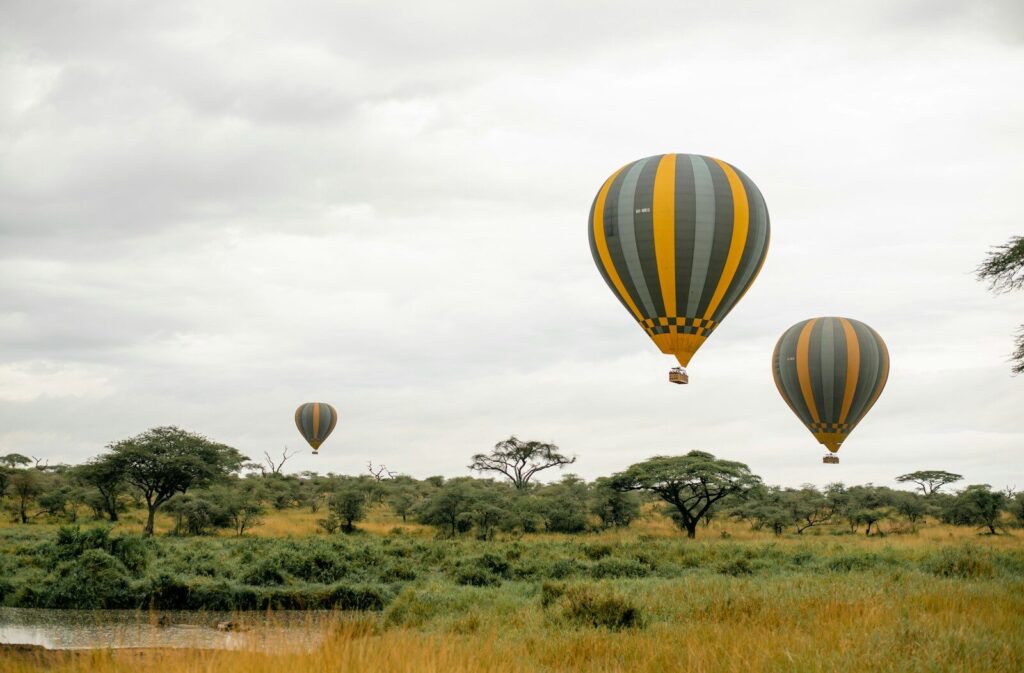
Tarangire National Park Entry Fees 2027/2028
Tarangire National Park entrance fees are charged per person and are based on a 24-hour entry period. The price depends on whether you are an international visitor, East African citizen, or Tanzanian resident.
The following rates represent the 2027 tariff structure:
Peak Season Fees (16 May – 14 March)
| Visitor Category | EA Citizens (TZS) | Non-EA Citizens (USD) | Residents/Expatriates (USD) |
|---|---|---|---|
| Adults (16 years and above) | 10,000 | 50 | 25 |
| Children (5–15 years) | 2,000 | 15 | 7.50 |
| Children under 5 years | Free | Free | Free |
Low Season Fees (15 March – 15 May)
| Visitor Category | EA Citizens (TZS) | Non-EA Citizens (USD) | Residents/Expatriates (USD) |
|---|---|---|---|
| Adults (16 years and above) | 10,000 | 45 | 22.50 |
| Children (5–15 years) | 2,000 | 15 | 7.50 |
| Children under 5 years | Free | Free | Free |

Understanding the Different Tariff Categories
International Visitors
International visitors who do not hold Tanzanian residency pay the standard non-East African citizen rate.
For adults aged 16 years and above, the entrance fee is approximately USD 50 during the peak season and USD 45 during the low season. Children between 5 and 15 years receive discounted rates, while children under five years enter the park free of charge.
Most tourists visiting Tanzania for a safari fall under this category.
East African Community (EAC) Citizens
Citizens of East African Community member states benefit from special local rates when visiting Tanzania’s national parks.
Eligible travelers must present valid identification, such as a passport or national identity card, to qualify.
The EAC category includes citizens from countries such as Tanzania, Kenya, Uganda, Rwanda, Burundi, South Sudan, the Democratic Republic of Congo, and Somalia.
This pricing system encourages regional tourism and makes wildlife experiences more accessible for East African residents.
Tanzanian Residents and Expatriates
Visitors who legally live in Tanzania with a valid residence permit qualify for resident rates.
These rates are lower than international visitor prices because they support tourism access for people who live and work in Tanzania.
Travelers should carry their valid residence documents when entering the park because proof of residency may be requested.
Are Tarangire Park Fees VAT Inclusive?
Official TANAPA tariff schedules are generally published before Value Added Tax (VAT).
However, when travelers book through a licensed safari company, the final quotation usually includes applicable government taxes and fees. This means the price you receive from your safari operator represents the complete amount required for your planned itinerary.
At Safari Stride, we provide transparent safari pricing where applicable park fees, taxes, and operational costs are included in your package. This allows you to enjoy your trip without unexpected charges at the park entrance.
Additional Costs to Consider When Visiting Tarangire
Although the main expense is the entrance fee, there are other charges connected to visiting Tarangire National Park.
Vehicle Entry Fees
Every safari vehicle entering Tarangire National Park requires a separate TANAPA vehicle permit.
The amount depends on the vehicle category and registration details. These fees help support park management and the maintenance of roads used during game drives.
For travelers booking a safari with Safari Stride, vehicle entry permits are already included in the package price. Guests do not need to arrange separate vehicle payments when arriving at the park gate.
Concession Fees for Accommodation Inside the Park
Travelers staying inside Tarangire National Park at lodges, tented camps, or campsites may be required to pay an additional concession fee.
This fee is separate from the daily entrance charge and supports the management of tourism facilities within protected areas.
Most accommodations include this cost within their room rates or safari packages, meaning visitors normally do not pay it separately.
Guests staying outside the park, such as in Karatu, Mto wa Mbu, or Arusha, do not pay concession fees. They only pay the normal entrance fee each time they enter Tarangire.
How Are Tarangire National Park Fees Paid?
Tanzania’s national parks use electronic payment systems for entrance fees.
Independent travelers usually need to arrange payment before reaching the park gate through approved TANAPA payment channels.
For visitors traveling with Safari Stride, this process is handled in advance. Our team organizes the necessary payments before your arrival, allowing your safari to start smoothly without delays at the entrance.
What Is Included in a Safari Stride Tarangire Safari?
When you book a Tarangire safari with Safari Stride, we take care of the important details so you can focus on enjoying your wildlife experience.
Your safari package may include:
- Tarangire National Park entrance fees
- Vehicle entry permits
- Professional local safari guide
- Private 4×4 safari vehicle with a viewing roof
- Drinking water during the game drive
- Picnic lunch depending on the itinerary
- Government taxes and applicable charges
- Safari planning and support from our local team
Because Safari Stride is a locally owned Tanzanian safari company, we understand the importance of providing clear pricing and reliable service from the first inquiry until the end of your journey.
Is Tarangire National Park Worth the Entrance Fee?
Tarangire offers excellent value for travelers looking for a memorable wildlife experience in Tanzania.
The park provides something different from other famous destinations. While Serengeti is known for the Great Migration and Ngorongoro is famous for its spectacular crater scenery, Tarangire stands out because of its elephants, baobabs, peaceful atmosphere, and incredible birdlife.
A visit to Tarangire gives travelers the opportunity to experience authentic African wilderness while supporting conservation efforts that protect this unique ecosystem for future generations.
Frequently Asked Questions About Tarangire National Park Fees
How much is the Tarangire National Park entrance fee in 2026?
For international adult visitors, the fee is approximately USD 50 per person during the peak season and USD 45 during the low season. Residents and East African citizens pay lower rates.
Do children pay to enter Tarangire National Park?
Yes, children between 5 and 15 years pay a discounted entrance fee. Children below five years enter the park free of charge.
Is the Tarangire entrance fee paid every day?
Yes. The entrance fee applies for a 24-hour period. Visitors staying longer or entering again after the ticket expires must pay another entry fee.
Can I pay cash at Tarangire gate?
Tanzania’s national parks mainly use electronic payment systems, and cash payments are generally not accepted at park entrances. Travelers using Safari Stride do not need to arrange payment because all fees are handled before the safari begins.
Does Safari Stride include Tarangire park fees?
Yes. Safari Stride includes applicable park entrance fees, vehicle permits, government charges, and taxes in the safari quotation, ensuring transparent pricing.
Plan Your Tarangire Safari With Safari Stride
Tarangire National Park is one of Tanzania’s most rewarding safari destinations, offering unforgettable wildlife encounters, breathtaking landscapes, and some of Africa’s best elephant viewing.
Understanding the park entrance fees helps you plan your budget, but booking with a trusted local operator makes the process much easier. Safari Stride handles the details, from park permits and transportation to experienced guides and comfortable safari vehicles.
Whether you want a Tarangire day trip from Arusha, a Northern Circuit safari, or a longer Tanzania adventure combining Serengeti and Ngorongoro Crater, our team can create a personalized itinerary that matches your travel style and budget.