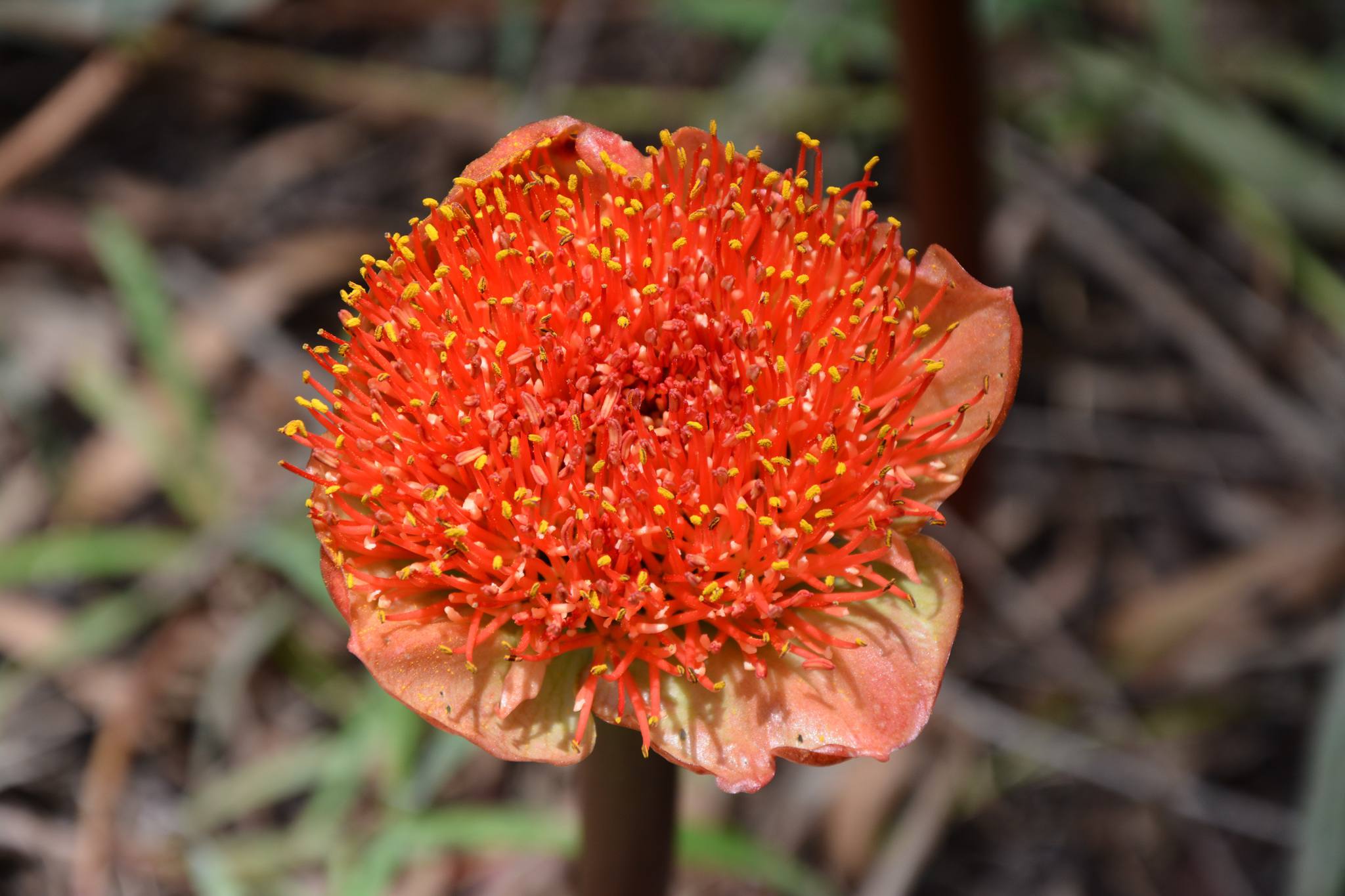
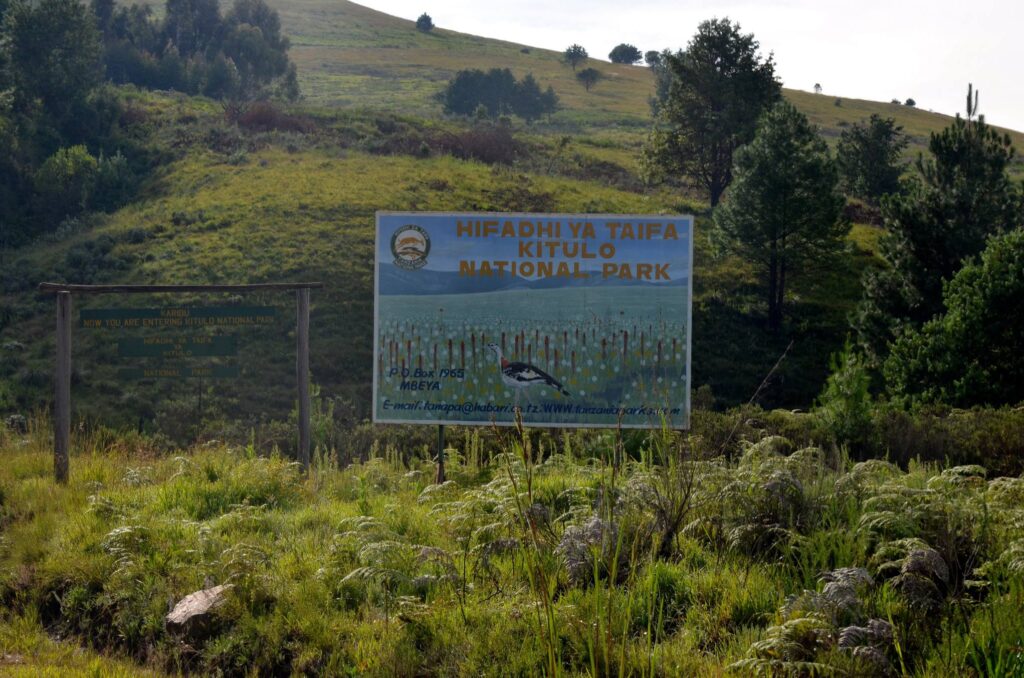
Kitulo National Park stands as one of Tanzania’s most extraordinary and least-known natural treasures, earning its nickname “Serengeti of Flowers” through spectacular displays of wildflowers and alpine plants found nowhere else on Earth. Located in the remote southern highlands of Tanzania, Kitulo National Park protects the largest and most important montane grassland ecosystem in the country, supporting over 350 plant species including 45 varieties of terrestrial orchids that create breathtaking floral carpets during blooming season.
Table of Contents
This remarkable national park represents Tanzania’s first protected area created primarily for botanical rather than large mammal conservation, reflecting the global significance of Kitulo’s unique flora and fragile montane ecosystems. Kitulo National Park encompasses approximately 413 square kilometers of pristine highland plateau ranging from 2,600 to over 3,000 meters elevation, creating cool alpine conditions that support specialized plant communities adapted to high-altitude environments.
The decision to visit Kitulo National Park requires adventurous spirit and appreciation for botanical diversity over traditional big game wildlife viewing, as this destination attracts nature enthusiasts, botanists, hikers, and photographers seeking extraordinary floral displays and pristine mountain landscapes far from Tanzania’s crowded northern safari circuit. Understanding Kitulo’s unique character ensures appropriate expectations while revealing one of Africa’s most spectacular but underappreciated natural wonders.
Safari Stride’s expertise extends beyond traditional wildlife safaris to encompass specialized destinations like Kitulo National Park, helping travelers discover Tanzania’s remarkable biodiversity in all its forms. Our knowledge of southern Tanzania’s remote parks ensures proper planning for accessing Kitulo while combining visits with broader southern circuit experiences that showcase the region’s exceptional natural and cultural diversity.
Location and Geography of Kitulo National Park
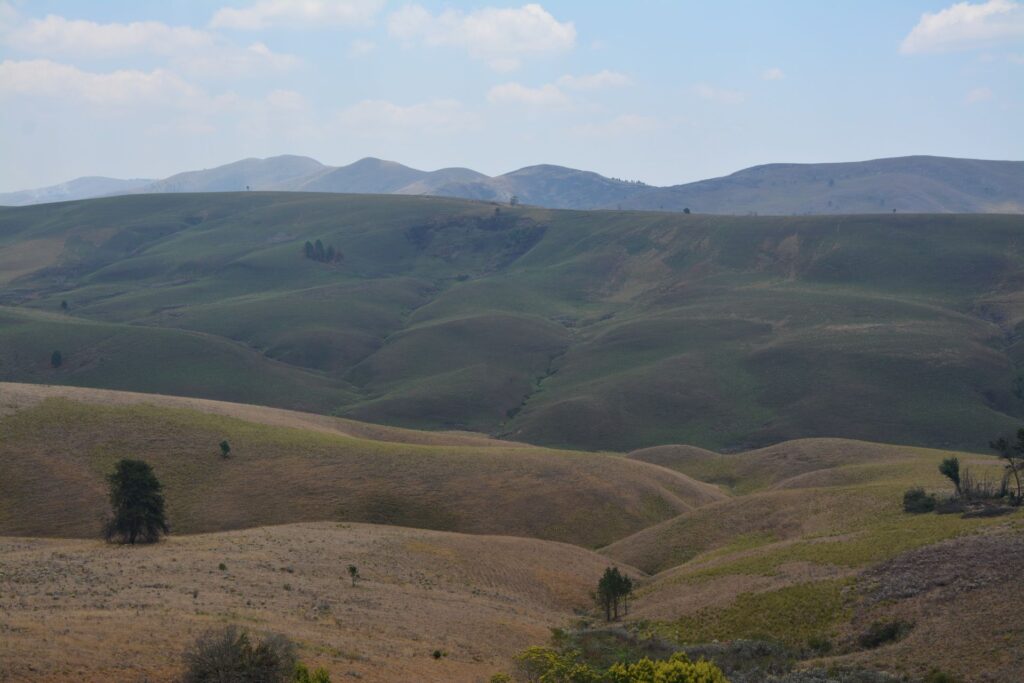
Kitulo National Park occupies a remote section of Tanzania’s southern highlands within the Livingstone Mountains, approximately 100 kilometers southeast of Mbeya town in the country’s southwestern region. The park’s isolated location contributes to its pristine condition while requiring significant commitment from visitors seeking to experience its extraordinary natural beauty.
The Kitulo Plateau forming the park’s core area represents one of East Africa’s most extensive areas of montane grassland, creating vast open landscapes reminiscent of high-altitude steppes rather than typical African ecosystems. This plateau environment, sitting above 2,600 meters elevation, experiences cool temperatures and significant rainfall that support the unique plant communities for which Kitulo National Park has become famous.
Elevation variations throughout Kitulo National Park create diverse microclimates and habitat zones supporting different plant communities, with lower elevations featuring montane forest transitions while upper plateau areas support specialized alpine grassland species. These elevation gradients contribute significantly to the park’s remarkable botanical diversity within relatively compact boundaries.
The Numbe and Livingstone mountain ranges surrounding Kitulo Plateau create dramatic topographical features including steep escarpments, river valleys, and isolated peaks that add scenic grandeur to the park’s landscapes. These mountainous areas support different ecosystems than the plateau grasslands, further enhancing Kitulo’s ecological complexity.
Volcanic soils throughout Kitulo National Park provide nutrient-rich substrates supporting the extraordinary plant diversity for which the park is renowned. These fertile soils, combined with favorable moisture and temperature regimes, create optimal conditions for the spectacular wildflower displays that occur during rainy season months.
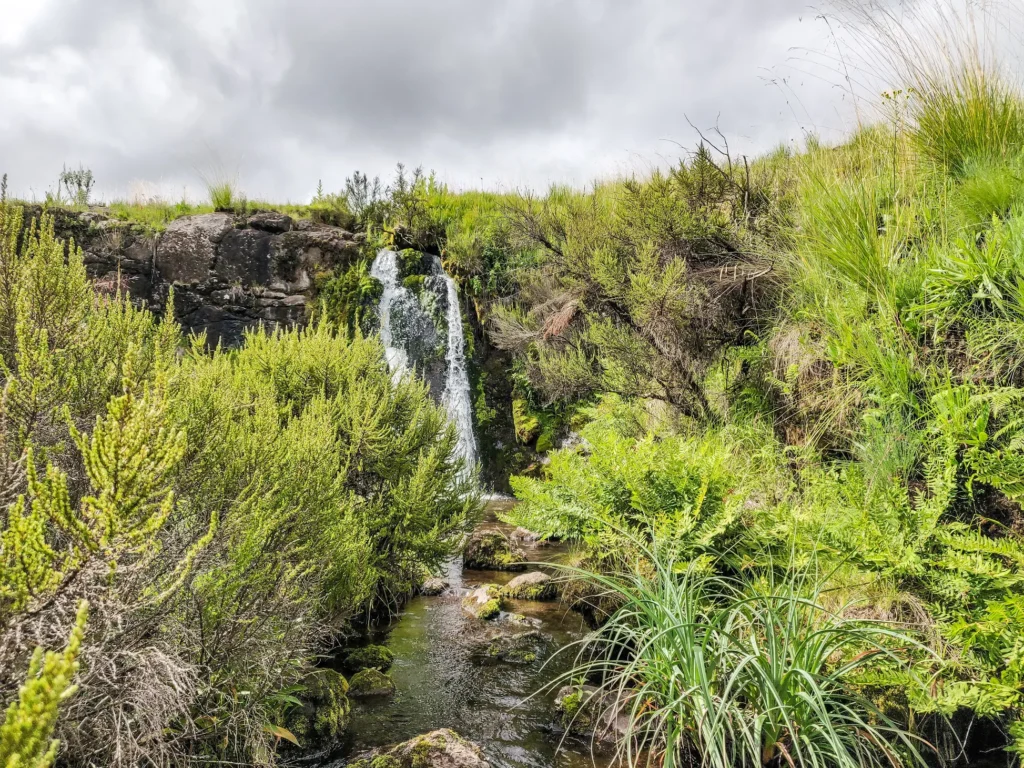
Water sources including numerous small streams, wetlands, and seasonal pools scattered across Kitulo Plateau create additional habitat diversity supporting aquatic and semi-aquatic plant species alongside terrestrial communities. These water features contribute to landscape beauty while providing crucial resources for the park’s limited wildlife populations.
Geological history of the Kitulo region reflects volcanic activity and tectonic processes that created the plateau and surrounding mountains, with this geological foundation influencing contemporary soil conditions, drainage patterns, and topographical features that shape current ecosystems. Understanding this geological context enhances appreciation for Kitulo’s unique character.
The Spectacular Flora of Kitulo National Park
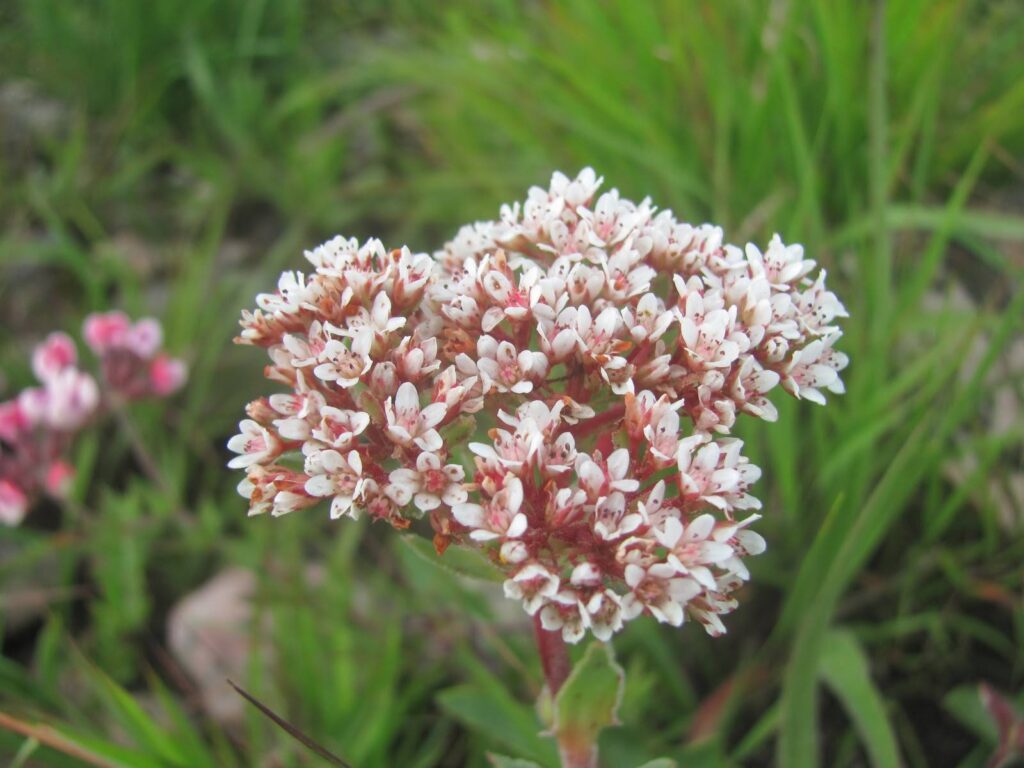
Kitulo National Park’s botanical treasures represent the park’s primary attraction, with extraordinary plant diversity and spectacular seasonal displays creating experiences unmatched anywhere else in Tanzania or broader East Africa. The park’s flora justifies its protection and attracts specialized visitors from around the world.
Orchid diversity at Kitulo National Park reaches exceptional levels with 45 recorded terrestrial orchid species including numerous endemics found only in this region. These orchids create stunning displays during blooming seasons, with species including Disa, Satyrium, and Habenaria genera representing highlights for orchid enthusiasts. The concentration of terrestrial orchids at Kitulo ranks among Africa’s highest, making the park crucial for orchid conservation.
Wildflower displays during rainy season months from November to April transform Kitulo Plateau into living carpets of color, with countless species blooming simultaneously to create landscapes rivaling the world’s most famous flower destinations. Species including various lilies, irises, proteas, aloes, and numerous endemic composites contribute to these spectacular shows that justify Kitulo’s “Serengeti of Flowers” nickname.
Endemic plant species found only at Kitulo or in very restricted ranges number at least 30, making the park globally significant for botanical conservation. These endemics reflect the isolated nature of highland habitats and long evolutionary histories that have produced unique species adapted to specific local conditions. Conservation of these irreplaceable plants provides primary justification for Kitulo’s national park status.
Alpine and subalpine vegetation communities at Kitulo National Park include specialized grasslands, heath formations, and cushion plant communities typical of high-altitude tropical mountains. These plant communities demonstrate remarkable adaptations to cold temperatures, intense solar radiation, and seasonal moisture variations characteristic of montane environments.
Medicinal plants growing throughout Kitulo National Park have traditional uses among local communities, with various species employed in traditional medicine practices. This ethnobotanical significance adds cultural dimensions to the park’s botanical importance while highlighting relationships between local peoples and mountain ecosystems.
Seasonal blooming patterns create dramatically different experiences depending on visit timing, with peak displays occurring from December to March when rainfall and temperature conditions optimize flowering. Understanding these patterns helps visitors time their Kitulo experiences for maximum floral spectacle while recognizing that different species bloom at different periods.
Rare and threatened plant species protected within Kitulo National Park include numerous taxa facing extinction risks from habitat loss, climate change, and over-collection. The park’s protection provides crucial refuges for these vulnerable species while supporting conservation research and monitoring programs.
Wildlife of Kitulo National Park
While Kitulo National Park’s primary attractions focus on botanical rather than zoological diversity, the park supports interesting wildlife communities adapted to montane grassland environments, including several endemic and threatened species that enhance the destination’s conservation significance beyond its spectacular flora.
Mammal populations at Kitulo remain relatively limited compared to Tanzania’s famous savanna parks, with species including reedbuck, eland, mountain reedbuck, and various smaller mammals adapted to high-altitude grassland conditions. These mammals, while not numerous, represent specialized species worthy of observation and contribute to ecosystem function.
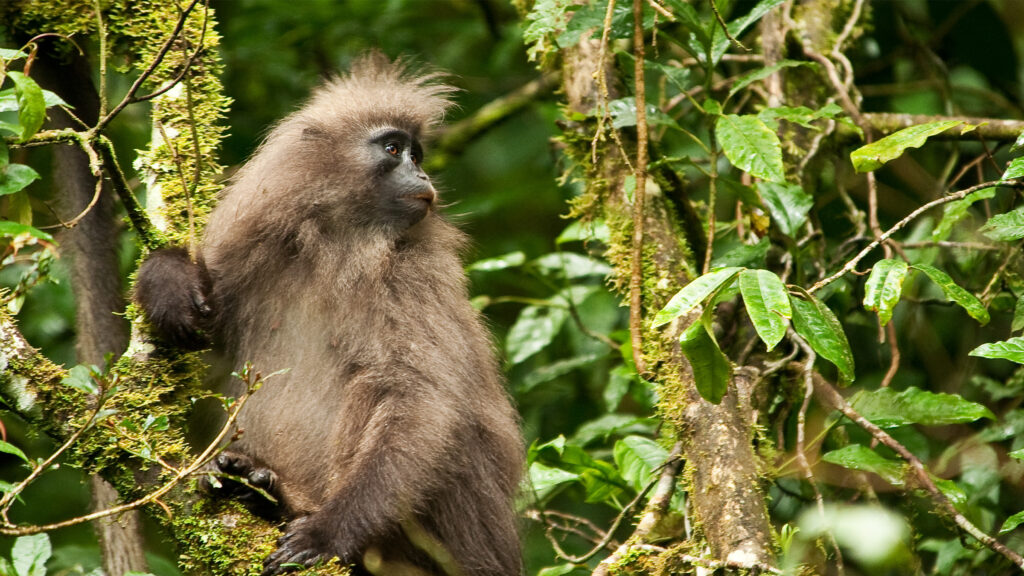
The rare Kipunji monkey, discovered in 2003 and endemic to Tanzania’s southern highlands, potentially occurs in forest areas surrounding Kitulo National Park, though confirmed sightings within park boundaries remain limited. This critically endangered primate represents one of the world’s rarest monkeys, making any potential occurrence at Kitulo significant for conservation.
Primate diversity in forest zones around Kitulo Plateau includes blue monkeys and potentially other forest-dwelling species utilizing the montane forest transitions between grasslands and lower elevation forests. These primates occupy different ecological niches than plateau grassland species, contributing to overall biodiversity.
Small mammal diversity including various rodent species, shrews, and other minor mammals likely exceeds current documentation, with ongoing surveys continuing to reveal Kitulo’s faunal complexity. These smaller species play crucial roles in ecosystem function despite receiving less attention than larger, more charismatic species.
Reptile and amphibian communities at Kitulo include several highland specialists adapted to cool montane conditions, with some species endemic to the southern highlands or found in very restricted ranges. These cold-adapted herptiles represent interesting evolutionary adaptations to highland environments.
Bird Watching at Kitulo National Park
Bird watching at Kitulo National Park offers exceptional opportunities for observing montane and grassland bird species, with the park’s high-altitude habitats supporting specialized avifauna including several range-restricted species of high conservation priority. Over 400 bird species have been recorded in the broader Kitulo area, making it significant for ornithological tourism.
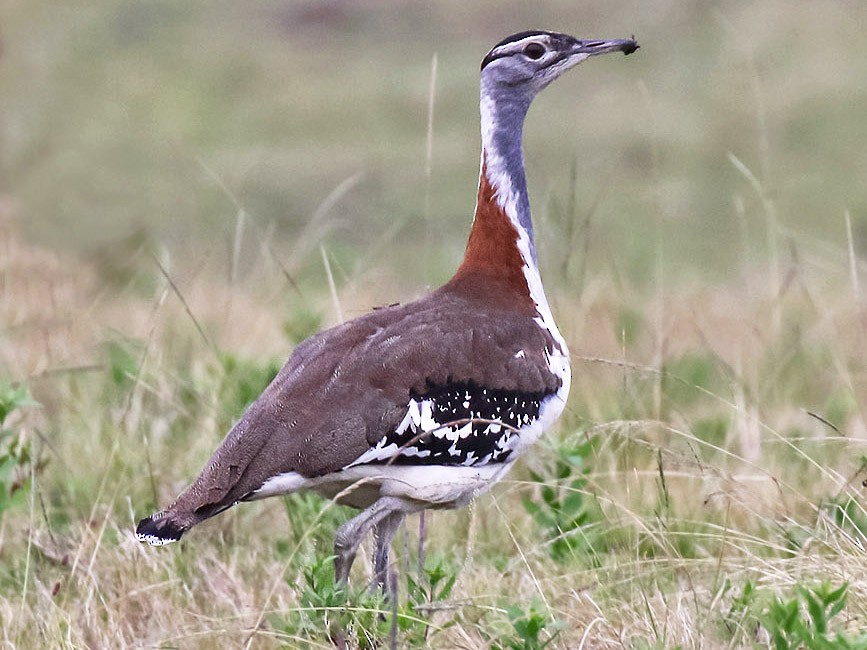
Endemic and near-endemic bird species found at Kitulo National Park include the Kipengere seedeater and Denham’s bustard among others with very restricted ranges in Tanzania’s southern highlands. These specialties attract serious birders seeking to observe species found in few other locations, making Kitulo essential for comprehensive Tanzania bird watching itineraries.
Raptors utilizing Kitulo’s open grasslands include various hawk and eagle species hunting the plateau’s small mammal and bird populations, with mountain buzzards and augur buzzards commonly observed. These predators demonstrate adaptations to high-altitude hunting while providing dramatic aerial displays.
Grassland specialists including various cisticola species, pipits, larks, and other open country birds thrive in Kitulo’s extensive grassland habitats, creating excellent viewing opportunities for species often difficult to observe in forested or more developed areas. These grassland birds represent important components of the plateau ecosystem.
Wetland and waterbird species frequent the numerous streams, pools, and marshy areas scattered across Kitulo Plateau, including various waterfowl, herons, and waders that utilize these aquatic habitats. The presence of these water-associated birds adds diversity to the park’s avifauna.
Afromontane forest birds occupy woodland areas surrounding the plateau, with species including various sunbirds, turacos, and forest specialists contributing to Kitulo’s overall bird diversity. These forest inhabitants require different observation strategies than grassland species.
Migratory species visiting Kitulo during appropriate seasons add temporary residents to the park’s bird communities, with Palearctic migrants escaping northern hemisphere winters joining Afrotropical migrants moving within Africa. These seasonal visitors increase bird diversity during certain periods.
Best Time to Visit Kitulo National Park
Timing visits to Kitulo National Park critically affects experiences, with the park’s seasonal transformations creating dramatically different conditions for wildflower viewing, hiking, and general nature observation. Understanding these seasonal variations helps visitors plan optimal timing for their specific interests.
Peak wildflower season from December to March represents the ideal time to visit Kitulo National Park for experiencing the spectacular floral displays that justify the “Serengeti of Flowers” nickname. During these months, the plateau transforms into vibrant carpets of blooming wildflowers including numerous orchid species, creating photographer’s paradises and unforgettable botanical experiences.
Early rainy season from November through December sees the beginning of wildflower blooming, with early species emerging while the landscape remains relatively dry. This transitional period offers good flower viewing with somewhat better accessibility than peak rainy months, though displays haven’t yet reached maximum intensity.
Late rainy season from March to April continues providing excellent wildflower displays as blooming extends through the wet season, though some species may have finished flowering while others peak. The landscapes remain lush and green during this period, creating beautiful conditions despite increasing rainfall.
Dry season from May to October presents very different Kitulo experiences, with the plateau turning golden-brown as grasses dry and wildflowers go dormant. While lacking the spectacular floral displays of rainy months, dry season offers excellent hiking conditions, clearer skies for photography, and better accessibility along park tracks.
September and October mark the end of dry season when the landscape appears most desiccated, with minimal wildflower activity and brown grasslands. However, this timing provides optimal conditions for hiking and trekking activities without muddy conditions or afternoon rainfall.
Weather considerations throughout the year affect visit planning, with rainy season bringing afternoon thunderstorms, cool temperatures, and potentially muddy conditions while dry season offers sunny days but cold nights at high altitude. Visitors should prepare for variable mountain weather regardless of season.
Accessibility considerations vary dramatically between seasons, with rainy season potentially making some roads and tracks challenging or impassable while dry season provides easier access throughout the park. Visitors during rainy months should prepare for potentially difficult access conditions.
Activities and Experiences at Kitulo
Kitulo National Park offers specialized activities emphasizing botanical appreciation, hiking, and nature observation rather than traditional game viewing, with experiences designed for visitors seeking wilderness immersion and natural beauty over big game encounters.
Wildflower viewing and botanical walks represent Kitulo’s primary activities, with guided walks across the plateau allowing detailed observation of the park’s extraordinary plant diversity. Knowledgeable guides identify species, explain ecological relationships, and ensure visitors appreciate the botanical treasures that make Kitulo globally significant. These walks vary from short strolls to full-day expeditions exploring different plateau areas.
Hiking and trekking opportunities throughout Kitulo National Park range from gentle plateau walks to challenging mountain ascents, with various trails accommodating different fitness levels and time availability. Popular routes include trails to viewpoints overlooking the plateau, ascents of surrounding peaks, and explorations of forest zones. Multi-day trekking with camping creates wilderness immersion experiences.
Photography expeditions at Kitulo focus on capturing the extraordinary wildflower displays, mountain landscapes, and atmospheric conditions that create stunning visual opportunities. The combination of colorful foreground flowers, sweeping plateau vistas, and dramatic mountain backdrops creates exceptional photographic subjects. Macro photography of individual flowers and orchids provides alternative focal opportunities.
Bird watching excursions target the park’s specialized montane and grassland bird species, with guided birding walks identifying species and locating key habitats for range-restricted specialties. Early morning birding provides optimal conditions for observing active birds while experiencing the plateau at its most magical times.
Cultural visits to nearby villages allow interaction with local communities including the Safwa people who have traditionally used the Kitulo area for grazing and collecting medicinal plants. These cultural experiences provide insights into traditional relationships with mountain environments while supporting community conservation initiatives.
Camping experiences within Kitulo National Park create opportunities for overnight wilderness immersion, with designated camping areas allowing visitors to experience the plateau’s remarkable night skies far from any light pollution. The clear highland air and minimal atmospheric disturbance create spectacular stargazing opportunities.
Research and education programs operating in Kitulo welcome specialized visitors interested in botanical research, conservation biology, or ecological studies. The park’s management supports appropriate research activities that contribute to scientific knowledge while respecting conservation priorities.

Getting to Kitulo National Park
Accessing Kitulo National Park requires significant journey commitment given its remote location in Tanzania’s southern highlands, with visitors needing to navigate challenging roads and plan adequate time for both travel and park exploration. Understanding access options helps visitors plan realistic itineraries.
Road access from Mbeya, the nearest major town approximately 100 kilometers from Kitulo, represents the primary approach to the park. The journey from Mbeya takes 3-4 hours via rough roads including sections that become extremely challenging during rainy seasons. Four-wheel drive vehicles are essential, particularly during wet months when tracks may become impassable.
Public transportation options to areas near Kitulo include buses and minibuses connecting Mbeya with towns like Matamba and Bulongwa, though reaching the park itself from these towns requires arranging private vehicles or walking considerable distances. This approach suits very budget-conscious and adventurous independent travelers.
Flying to Mbeya from Dar es Salaam via scheduled flights reduces total journey time, with flights taking approximately 2 hours compared to 10+ hours of overland travel. From Mbeya, road transfer to Kitulo remains necessary, though the reduced overall journey time appeals to visitors with limited schedules.
Organized tour packages through operators like Safari Stride handle all transportation logistics, providing appropriate vehicles, experienced drivers familiar with challenging routes, and comprehensive support ensuring safe access to this remote destination. This approach eliminates stress and maximizes time for actual park enjoyment.
Internal park roads remain basic throughout Kitulo, with tracks suitable for hiking and walking rather than extensive vehicle-based touring. Most visitor activities involve hiking from parking areas rather than driving throughout the park as in traditional game reserves.
Best access timing favors dry season months when roads are most passable and weather most predictable, though this timing misses the spectacular wildflower displays that represent Kitulo’s primary attraction. Rainy season access requires additional preparation, flexibility, and potentially backup plans if roads become impassable.



Accommodation Options Near Kitulo
Accommodation options near Kitulo National Park remain limited given the remote location, with most visitors staying in basic facilities near park boundaries or in Mbeya town, requiring daily travel to and from the park. Understanding available options helps visitors plan appropriate expectations for comfort and amenities.
Mbeya town accommodation offers the most developed options including various hotels and guesthouses ranging from basic to moderate comfort levels at $20-$80 per night. These properties provide convenient bases for Kitulo visits while offering better amenities than options closer to the park, though the distance requires early starts for park activities.
Matamba village near Kitulo’s main entrance provides basic guesthouse accommodation allowing proximity to the park, though facilities remain simple with limited amenities. These options suit budget travelers and those prioritizing park proximity over comfort, typically costing $10-$30 per night.
Camping within Kitulo National Park represents the most immersive option, with designated campsites allowing overnight stays on the plateau itself. Campers must be completely self-sufficient with equipment, food, and supplies, though this approach provides ultimate wilderness immersion and optimal access for photography during golden hour lighting.
Farmhouse accommodations in surrounding areas offer authentic rural experiences with local families, providing cultural insights alongside lodging. These homestay options typically cost $15-$40 per night with meals included, creating meaningful cultural exchanges.
Lodge developments near Kitulo remain minimal, with the park’s remote location and specialized visitor profile not supporting extensive tourism infrastructure development. This limited development helps maintain the park’s pristine character while requiring visitors to accept basic facilities.
Advance booking for any accommodation near Kitulo is recommended during peak flower season when the limited facilities may fill with the small numbers of specialized visitors attracted to the wildflower displays. However, outside peak season, availability generally exceeds demand.
Conservation Significance of Kitulo
Kitulo National Park’s establishment and ongoing conservation represent crucial protection for globally significant botanical diversity and unique montane ecosystems facing multiple threats. Understanding these conservation contexts enriches visitor experiences while highlighting the importance of supporting this remarkable protected area.
Botanical significance of Kitulo National Park extends beyond Tanzania to global levels, with the park protecting one of the world’s most important montane grassland floras including numerous endemic and threatened plant species. The concentration of orchid species and other rare plants makes Kitulo comparable to famous botanical hotspots on other continents.
Endemic species protection represents a primary conservation objective at Kitulo, with numerous plants found only on the Kitulo Plateau or in very restricted southern highland areas depending on the park for survival. Loss of Kitulo would mean extinction for these irreplaceable species, making the park’s protection essential for global biodiversity conservation.
Montane grassland ecosystem conservation addresses broader habitat protection beyond individual species, recognizing that Kitulo’s extensive high-altitude grasslands represent rare and threatened ecosystems deserving protection. These grasslands support complex ecological communities that would be lost to agricultural conversion without protected area status.
Climate change vulnerabilities affect Kitulo’s plant communities as shifting temperature and precipitation patterns may alter conditions supporting current species distributions. The park serves as a refugium for climate-sensitive species while supporting research monitoring climate change impacts on mountain ecosystems.
Community conservation relationships involve engaging surrounding communities in park protection while providing benefits that build local support for conservation. According to the Tanzania National Parks Authority, revenue sharing, employment opportunities, and continued traditional uses under management plans help maintain positive conservation relationships.
Research and monitoring programs at Kitulo document plant populations, track ecosystem changes, and investigate ecological processes supporting adaptive management approaches. These scientific activities contribute to global understanding of montane ecosystems while informing local conservation decisions.
Tourism’s conservation role at Kitulo provides economic justification for park protection while raising awareness of montane biodiversity conservation needs. Visitor fees support park operations while tourist presence demonstrates the value of protected areas to broader society.

Combining Kitulo with Other Southern Destinations
Kitulo National Park’s location in Tanzania’s southern highlands allows combination with other southern circuit destinations, creating comprehensive itineraries showcasing the region’s diverse attractions while justifying the significant travel required to reach this remote area.
Ruaha National Park, Tanzania’s largest national park located several hours north of Kitulo, offers exceptional traditional wildlife viewing complementing Kitulo’s botanical focus. Combining these destinations creates balanced southern circuit experiences mixing game viewing with specialized botanical appreciation, appealing to travelers seeking diverse natural experiences.
Lake Nyasa (Lake Malawi) accessed from southern Tanzania near the Malawi border provides opportunities to experience Africa’s third-largest lake with its endemic fish species, beach activities, and water sports. This aquatic addition complements both mountain and savanna destinations in comprehensive southern Tanzania itineraries.
Matema Beach on Lake Nyasa offers tropical beach experiences in freshwater lake settings, providing relaxation opportunities following intensive hiking at Kitulo or safari activities at Ruaha. The cultural experiences around Lake Nyasa’s shores add ethnic diversity to primarily nature-focused itineraries.
Udzungwa Mountains National Park, located between Dar es Salaam and the southern highlands, protects montane forests supporting endemic primates including the Kipunji monkey and Sanje mangabey. This forest park complements Kitulo’s grassland focus while showcasing different altitude ecosystem types.
Cultural experiences in southern Tanzania including visits to traditional communities, exploration of historical sites, and participation in local activities add human dimensions to wildlife and botanical attractions. These cultural elements create more comprehensive understanding of Tanzanian diversity.
Regional connections to Malawi or Zambia allow international travelers to combine Tanzania’s southern parks with neighboring countries, creating cross-border adventures showcasing regional diversity. However, these combinations require careful visa and logistics planning.
Planning Your Kitulo National Park Visit
Successful Kitulo visits require thorough planning addressing the park’s remote location, specialized attractions, and variable conditions affecting access and experiences. Understanding planning essentials helps visitors create realistic, rewarding Kitulo adventures.
Duration planning should allocate minimum 2-3 days for Kitulo experiences, allowing adequate time for plateau exploration, hiking activities, and enjoying wildflower displays without rushing. Longer stays enable more extensive hiking, relaxed photography, and comprehensive botanical observation.
Seasonal timing critically affects Kitulo experiences, with wildflower enthusiasts requiring visits during December-March rainy seasons despite challenging access conditions. Hikers and trekkers may prefer dry season accessibility trading spectacular flowers for better hiking conditions and clearer weather.
Physical fitness requirements for Kitulo activities merit consideration, as high-altitude hiking requires reasonable fitness levels and adaptation to reduced oxygen at elevations exceeding 2,600 meters. Visitors should assess their capabilities honestly while allowing acclimatization time.
Budget planning for Kitulo visits includes park fees (typically $30-40 per day for international visitors), accommodation costs, transportation expenses, and guide fees. The remote location generally increases total costs compared to more accessible destinations despite basic facilities.
Guide services strongly enhance Kitulo experiences through botanical expertise, safety support during hikes, and logistical knowledge navigating the remote area. Experienced guides identify plant species, locate optimal viewing areas, and ensure visitors maximize limited time in this special destination.
Equipment and packing for Kitulo requires warm clothing for cold highland temperatures, rain gear for wet season visits, sturdy hiking boots, sun protection despite cool temperatures, camera equipment for botanical photography, and field guides for plant identification. The mountain environment requires more substantial gear than lowland safari destinations.
Health preparations include malaria prophylaxis despite high altitude reducing transmission risks, fitness conditioning for hiking, and altitude awareness managing exertion levels at elevations exceeding 2,600 meters. Comprehensive travel insurance covering mountain activities provides essential protection.
Photography at Kitulo National Park
Kitulo National Park offers extraordinary photography opportunities focusing on wildflower displays, mountain landscapes, and natural beauty rather than wildlife action, with the park’s botanical treasures and scenic grandeur creating subjects appealing to nature and landscape photographers.
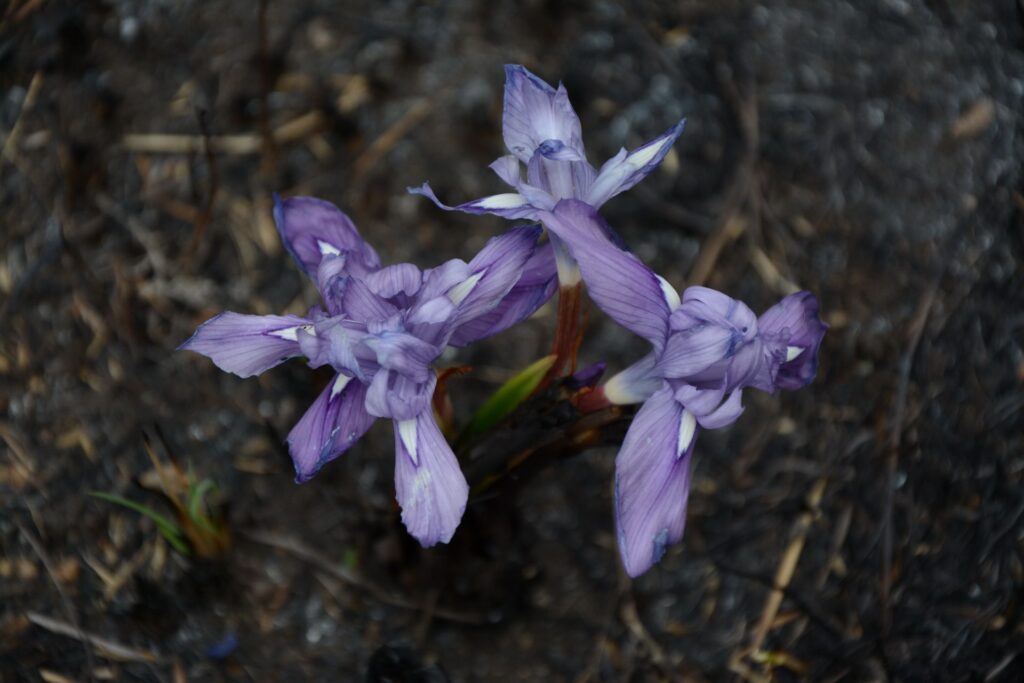
Wildflower photography represents Kitulo’s primary photographic subject, with the spectacular seasonal displays providing endless macro and wide-angle opportunities. Individual orchid portraits, carpet-like flower fields, and creative compositions combining flowers with mountain backgrounds create diverse image possibilities. Macro lenses, extension tubes, and close-focusing capabilities prove essential for flower photography.
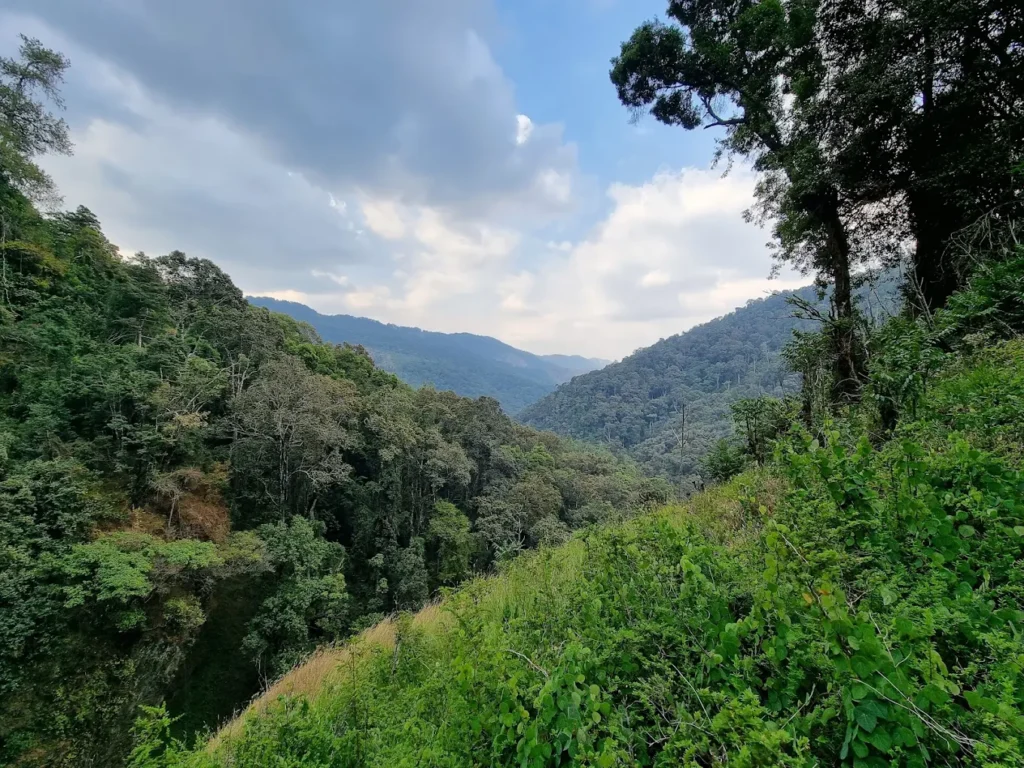
Landscape photography at Kitulo capitalizes on sweeping plateau vistas, dramatic mountain backdrops, and atmospheric conditions including morning mists, afternoon clouds, and dramatic sunsets. The high altitude creates clean air and excellent visibility for landscape work, while the plateau’s open character allows unobstructed views. Wide-angle lenses capture expansive scenes while telephoto lenses compress mountain perspectives.
Lighting considerations favor early morning and late afternoon periods when low-angle sunlight enhances colors and creates interesting shadows, though midday lighting works well for certain subjects particularly when clouds diffuse harsh sunlight. The variable mountain weather creates diverse lighting conditions requiring adaptability.
Atmospheric conditions including morning mists, dramatic clouds, and occasional storms create moody, atmospheric images that complement sunny day photography. These challenging conditions reward creative photographers willing to work in variable weather while protecting equipment from moisture.
Macro photography of individual flowers, insects, and small natural details provides alternative focal subjects beyond sweeping landscapes, allowing detailed documentation of Kitulo’s botanical treasures. Quality macro equipment, stable support systems, and patience with wind movement prove essential for successful close-up work.
Seasonal photography considerations recognize that different months provide different subjects and conditions, with rainy season offering peak wildflowers but challenging weather while dry season provides clearer skies but minimal floral interest. Understanding these trade-offs helps photographers choose timing matching their priorities.
Technical challenges at Kitulo include managing wind motion affecting flower photography, protecting equipment from rain and moisture during wet season, and dealing with altitude effects on photographer endurance and equipment performance. Preparation and appropriate gear help overcome these challenges.
Practical Information for Visitors
Practical considerations for Kitulo National Park visits address logistical details essential for successful trips to this remote destination, with thorough preparation preventing common problems and ensuring smooth experiences.
Park fees and regulations at Kitulo follow Tanzania National Parks Authority standards with international visitors paying approximately $30-40 per day entrance fees plus camping fees if staying overnight. Regulations protect the fragile ecosystem including restrictions on plant collection and off-trail travel in sensitive areas.
Weather preparation requires understanding that Kitulo’s high altitude creates cool to cold temperatures year-round with nighttime temperatures potentially near freezing even during summer months. Warm clothing, rain gear, and layering systems prove essential regardless of visit season.
Altitude considerations affect all visitors to Kitulo given elevations exceeding 2,600 meters, with some individuals experiencing altitude-related symptoms including headaches, fatigue, or shortness of breath. Gradual acclimatization, adequate hydration, and conservative activity pacing help minimize altitude issues.
Communication connectivity remains minimal throughout Kitulo area, with no mobile coverage in the park and limited connectivity even in nearby villages. Visitors should inform contacts about communication gaps while ensuring tour operators have emergency communication capabilities.
Medical facilities near Kitulo remain basic, with the nearest hospitals in Mbeya requiring several hours travel. Comprehensive first aid kits, travel insurance with evacuation coverage, and conservative approach to risky activities provide essential health security.
Shopping and supplies require completion in Mbeya before traveling to Kitulo, as options near the park remain extremely limited. Water, snacks, film, batteries, and any specialized equipment should be purchased in advance and carried to the park.
Environmental responsibility guidelines emphasize Leave No Trace principles including packing out all waste, staying on established trails, not collecting plants or disturbing wildlife, and minimizing impact on the fragile montane ecosystem. Visitors play crucial roles in protecting Kitulo for future generations.
Conclusion: Discovering Tanzania’s Floral Wonder
Kitulo National Park represents one of Tanzania’s most unique and rewarding destinations for travelers seeking extraordinary natural beauty beyond traditional wildlife safaris. The spectacular wildflower displays earning Kitulo its “Serengeti of Flowers” nickname create experiences rivaling world-famous botanical destinations while remaining refreshingly uncrowded and pristine.
The remoteness and challenging access that keep visitor numbers low also preserve Kitulo’s remarkable character, ensuring those making the journey encounter unspoiled mountain wilderness and extraordinary floral displays without the crowds and development affecting more accessible destinations. This authentic wilderness experience increasingly represents rare treasure in our developed world.
Conservation importance extends far beyond Kitulo’s boundaries to represent global significance for botanical diversity and montane ecosystem protection. The endemic species and rare plant communities protected within Kitulo would face extinction without this crucial protected area, making visitor support through tourism revenue essential for ongoing conservation.
The combination of Kitulo with other southern Tanzania destinations creates comprehensive regional experiences showcasing the area’s remarkable natural and cultural diversity. While requiring significant travel commitment, these southern circuit adventures reward dedicated travelers with exclusive experiences unavailable in more visited regions.
Safari Stride’s expertise encompasses not just traditional wildlife safaris but specialized destinations like Kitulo National Park, ensuring clients discover Tanzania’s full natural heritage diversity. Our planning support, logistical arrangements, and local knowledge help adventurous travelers successfully visit this remote mountain paradise.
Your Kitulo adventure awaits, offering the rare opportunity to walk through living carpets of wildflowers on Tanzania’s high mountain plateau, experiencing one of Africa’s most spectacular but least-known natural wonders. Contact Safari Stride today to begin planning your journey to the “Serengeti of Flowers” where botanical treasures and mountain majesty combine in unforgettable harmony.